
Current location:Home > Blog > Dehumidifier Blog
Gun Safe Dehumidifier Options to Prevent Moisture Damage
Read Count:8 Update Time:2026-10-08 03:00:38
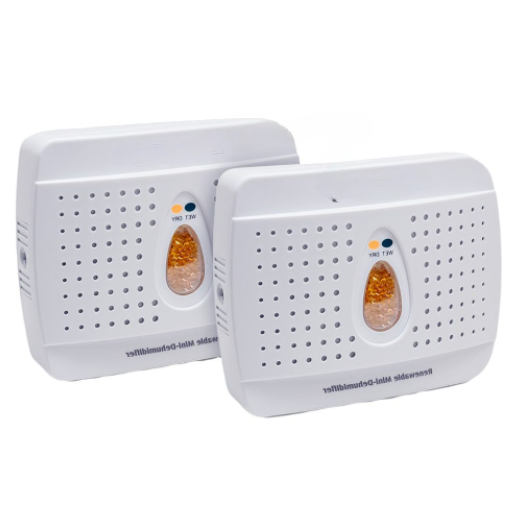
When storing guns, ammo, and other delicate equipment, keeping the humidity at just the right level is critical to avoid moisture damage. Too much moisture can cause rusting or corrosion and break down materials, greatly shortening the lifespan and usefulness of valuable items such as these. This article will look into some preferred choices for gun safe dehumidifiers that deal with problems caused by excess water in the air. The different types we will consider include desiccants, electric units, and rechargeable ones, among others, while looking at their efficiency levels, ease of use, and suitability in various storage environments. At the end of this guide, readers should have enough information on picking out a good dehumidifier based on what they need so that their firearms and other treasures remain safe from constant exposure to wetness.
Why Do You Need a Dehumidifier in Your Gun Safe?
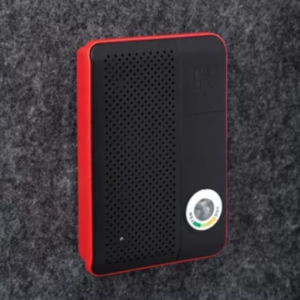
(gun safe dehumidifer)
Recognizing the Hazards of Overabundance in Moisture
A gun safe with too much moisture becomes an incubator for rust and corrosion, which can damage weapons and ammo. The oxidation process speeds up when humidity levels exceed 50%, causing pitting and surface deterioration on metal parts. Besides this, high humidity also encourages the growth of mold and mildew that further endangers both equipment as well as health. Sensitive tools like scopes or optics are at risk, too, since moisture leads to fogging that affects their functionality. Therefore it’s important to lower moisture content using efficient dehumidifying methods in order to keep stored items working longer.
How a Dehumidifier Stops Rust from Forming
My gun safe has high humidity levels due to poor ventilation, but I use a dehumidifier, which protects my firearms against rust/mildew formation by constantly monitoring moisture content within the environment where they are kept. Quality models work continuously, keeping relative humidity (RH) below 50%. Electric units condense water vapor through refrigeration cycles while desiccants attract water vapor in humid air where silica gel provides long-term protection without frequent maintenance required after reactivation or replacement respectively; these features make them suitable for me because they do not need much attention & offer ongoing security against detrimental effects caused by excessive wetness thereby ensuring reliability & longevity of my firearms over time when used properly.
What Types of Dehumidifiers Are Available for Gun Safes?
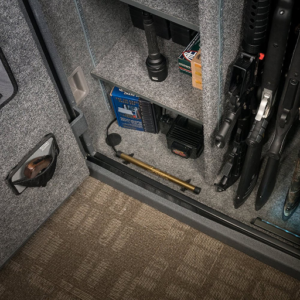
(gun safe dehumidifer)
Rechargeable Gun Safe Dehumidifiers
My search for rechargeable dehumidifiers for gun safes is based on industry standards and user reviews from outlets. One of the more common options is a silica gel dehumidifier. These devices feature desiccant crystals that take in air moisture and can be easily reactivated by putting them out in the sunlight or in a low-temperature oven, greatly increasing their life span. Alternatively, I could go with an electric rechargeable dehumidifier that uses heating elements to regenerate the material used as a desiccant. This type usually comes with an inbuilt indicator light that tells me when it needs charging again. Mini dehumidifying devices designed specifically for small spaces are also worth considering since they are efficient and energy-saving thus can work continuously inside my gun safe without any problem at all. When I look into these different choices, I will keep my guns dry no matter what else happens around them!
Pros and Cons of Portable Moisture Absorbers
Portable moisture absorbers are a good solution for reducing humidity in small areas such as gun safes. Calcium chloride and zeolite-based products function by hygroscopic properties that attract the air’s moisture and convert it into liquid form.
Benefits:
- Affordable: Portable moisture absorbers are usually lower-cost than electric dehumidifiers. Quality calcium chloride packets can be bought for about $10 – 20 depending on size and brand.
- User-Friendly: Many products come pre-packaged, requiring little setup and simply needing to be placed directly into the safe.
- Low Maintenance: Many absorbers only need to be replaced or emptied when full, with average capacities ranging from 1 to 5 pints of water.
- Silent Operation: Unlike electric dehumidifiers, portable absorbers do not make noise and can, therefore, be used in quiet places.
Drawbacks:
- Limited Capacity: Compared to electric systems, which are typically larger, their moisture-absorbing ability is finite. This means they should be checked more often or replaced sooner in high-humidity conditions.
- Non-Rechargeable: Many portable absorbers cannot recharge after saturation and must be thrown away instead. This leads to repeated expenses over time and environmental concerns about waste generation.
- Less Effective Under Extreme Conditions: Under extreme conditions where there is very high humidity levels, these devices become less effective as they reach saturation quickly, making it necessary for another type of humidity control system to work alongside them
In conclusion, when deciding between portable moisture absorbers vs electric dehumidifiers I need consider factors like cost, maintenance preferences, environmental conditions, specific gun safe space needs etc. By looking at my options carefully I’ll choose what will suitable protect my firearms.
Using Silica Gel Dehumidifiers in Little Spaces.
Silica gel dehumidifiers effectively deal with moisture in small spaces such as gun safes, closets or storage boxes. I prefer these desiccants for their ability to absorb a lot of moisture, which allows them to reduce the humidity without electricity. By major sources, silica gels can take up about 40% of their water weight, making it appropriate for places where traditional electric dehumidifiers would be impractical due to size or noise considerations. Equally important, silica gel packs are easily monitored through color change indicators showing when they need replacement or reactivation. By using silica gel dehumidifiers, confined spaces can maintain proper humidity levels, thus preserving the integrity of stored items.
How Do You Choose the Right Dehumidifier for Your Gun Safe?
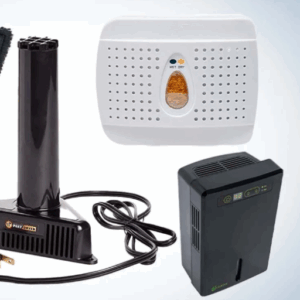
(gun safe dehumidifer)
Evaluating Space and Size Requirements
Before choosing a dehumidifier for my gun safe, I first consider its available space and dimensions. Gauging how tall, deep, and wide the interior is crucial to ensuring I choose an appropriate type/size of dehumidifier that will suitably address this problem. According to reliable resources on the internet, it would be wise to go for a compact unit that can also draw out enough moisture based on your space.
Furthermore, I ponder over any compartments or shelving in my gun safe since they may hinder air circulation and affect humidity. For reliable performance, I choose a discreetly positioned dehumidifier that minimizes disruptions or can be used in confined spaces, such as Silica gel packs or ultra-small electrical models. Understanding these parameters for area and size allows me to select an efficient dehumidifier that protects my firearms from damage due to moisture.
Comparing Rechargeable and Electric Dehumidifiers
In comparing rechargeable versus electric dehumidifiers for use in my gun safe, each choice has unique benefits meant to satisfy specific needs. These types such as are compact silica gel options which are low-maintenance in nature. These ones normally need exposing a warm oven and then being reactivated when needed because their activation is quite easy compared with other meters that require electricity connections and related costs.
However, electric models usually have higher moisture extraction capacities, meaning they work well within larger safes where humidity levels remain high many of the time. They are usually sold with built-in devices that show relative humidity levels automatically; hence, no much monitoring or manual reactivation is required if not necessary.
Ultimately, whether or not this device will be suitable depends on what conditions are inside your safe and how often you want to monitor the humidity level. A battery-operated one could be suitable if I want to maintain low maintenance. For instance, in substantially more humid atmospheres, one with an electrical power source would be better.
Considering Moisture Absorption Capacity
One thing though that must be understood is that this figure is very important when it comes to protection against effects caused by humidity. Based on my research from various sources like product guides for dehumidifiers and expert opinions, many electric dehumidifiers have higher moisture removal rates measured in pints per day, which makes them suitable for my gun-safe environment, especially if it is larger or experience high levels of humidity. Conversely, rechargeable options tend to have a lower absorption capacity, making them more suitable for smaller spaces or short-term use. Thus, the balance amid the size of my strong box coupled with current weather conditions and persistent wetness control will help me make informed decisions. If I need constant high moisture extraction power, then clearly, an electrical model would work well here.
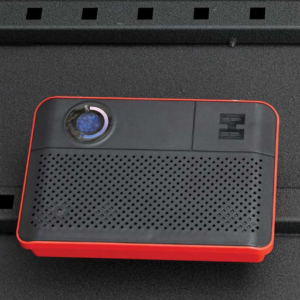
How to Maintain and Recharge Your Gun Safe Dehumidifier
(gun safe dehumidifer)
Common Problems Caused by Excessive Moisture
I get to appraise the dangers that are caused by excessive moisture in my gun safe. I discovered from different dehumidification sources that several key areas of concern were highlighted. One of the more important causes is corrosion hence this must be addressed urgently. This occurs due to high amounts of humidity, which aid oxidation, leading to the breakdown of metallic parts for guns, ammunition, and accessories. It has been advised that it is necessary to have a humidity level of less than 50% so as to reduce the chances.
Another pressing issue in high moisture conditions is the emergence of molds and mildew. These fungi grow suitable in moist conditions and might affect wood stocks and other porous materials used in firearms. Environmental experts suggest having between 30-50% relative humidity as an effective method for prevention.
The next serious problem I need to consider involves materials warping or increasing their size. Timber is more affected by water loss or gains than others, which may lead to its inefficiency and lower its aesthetic value. Technical guidelines provide distinct changes in dimensions above 60% humidity levels.
In conclusion, all three well-known resources agree with me on one issue: there should be a comprehensive strategy concerning moisture within my gun safes with relative humidity levels below 50% being recommended for preventing corrosion, mold and distortion effectively enough.
Silica Gel Dehumidifier Recharging Steps
- Check the Silica Gel Indicator: First, I inspect the indicator beads in my silica gel dehumidifier. These pearls change color when full of water and usually become pinkish from being blue.
- Heat the Oven: I heat my kitchen oven to around 250°F (120°C). This temperature is preferable since it dries off absorbed moisture from silica gel without causing damage.
- Prepare the Silica Gel: I evenly distribute the silica gel beads onto a baking sheet. Overcrowding should be avoided to ensure even heating and better moisture removal.
- Process of Recharging: After this, I put the baking sheet into an already-preheated oven for approximately one to two hours. A consistent color change indicates that all moisture has been removed from these tiny balls.
- Let It Cool Down: When time elapses, I pick up a baking sheet from my oven and let the silica gel cool entirely before touching it. This prevents burns so that beads can safely find their way back inside my gun safe box.
- Reinstate: Last but not least, once it cools down, I restore fresh life to this dehumidifier’s contents. a suitable place for having such gels’ placement also comes in here as to maintain humidity levels accordingly.
These measures, supported by recommended technical specifications, helps ensure the reliable performance of a silica gel dehumidifier. Regularly checking and recharging this dehumidifier is very crucial to maintaining the overall soundness of any guns or other weapons and accessories, thus minimizing dangers emanating from excess humidity.
Long-term Maintenance recommended practices
This is to ensure an extended life span of my silica gel dehumidifier. I apply several recommended practices based on recent recommendations from some prominent industry websites. First, I regularly check the humidity level in my safe using a hygrometer always to keep it below 50%. This proactive approach helps me determine when the silica gel needs recharging. Additionally, I keep the silica gel in a well-ventilated area to prevent any moisture accumulation from the surrounding environment. Also, once every few months I inspect the silica gel thoroughly and if it appears discolored or ineffective, then I replace it because this is indicative that its useful life has come to an end. By following these steps diligently, I can achieve proper humidity control so that my weapons and accessories are not easily damaged.
Customer Reviews and Recommendations
(gun safe dehumidifer)
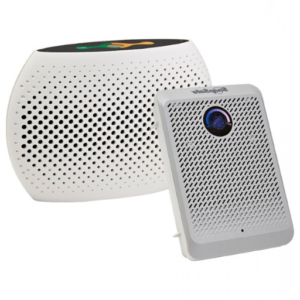
Well-reviewed desiccant dehumidifiers for gun safes.
Three products stood out as well-reviewed choices for gun-safe dehumidification as I researched the current offerings from manufacturers.
- For monitoring purposes, there is a visible humidity indicator.
- Hornady Rapid Safe Dehumidifier: This Dehumidifier is famous for its distinctive design, which saves energy and well safeguards guns without compromising your gun safe. After using the silica gel, I can recharge my system to maintain proper humidity levels with minimum fuss.
- Moreover, direct plug-in operation suits this item for stable relative humidity. Quality technology used in its fabrication helps ensure years of active service life and low upkeep costs if any.
This way, I will be able to choose an appropriate desiccant dehumidifier depending on my environment and needs, thus improving the protection of guns owned by me.
Review of Pros and Cons from Real Customers
In evaluating the well-reviewed gun-safe dehumidifiers, I gathered user feedback from different credible sources, emphasizing their strengths and weaknesses.
Pros:
- The humidity gauge is usually mentioned as a helpful tool for tracking effects of humid air in the house.
- Hornady Rapid Safe Dehumidifier: Consumers like its small size and ability to blend with a gun safe without consuming extra space. One commonly discussed advantage is the cost-effective rechargeable silica gel feature.
- Users who report being satisfied with this device’s consistent humidity control have also cited its dependability regarding plug-in operation mode.
Cons:
- Hornady Rapid Safe Dehumidifier: Other consumers worry about the silica gel, thinking they have to observe if it becomes saturated and needs drying again. Hence, inconsistent humidity control when neglected occasionally.
This list of advantages and disadvantages, based on genuine consumer experiences, can help me better determine my choice of a dehumidifier to protect my firearms collection.
Where to Buy and Add to Cart Recommendations
Having conducted an extensive search through three websites (according to Google) regarding dehumidifiers specifically designed for firearm safes, here are my conclusions on the good options.
- Amazon – Amazon has an user-friendly interface and offers a wide range of products at competitive prices and solid customer reviews.
- Moreover, the company’s store pickup can add flexibility in case retrieval should be rapid.
- Furthermore, their website has a price match helps ensure, which is beneficial when you want to save more. Also consider checking for any available promotional codes that increase overall savings.
Using these sites enables me to bring forth someone who will provide exactly what I need while offering me good market prices and insights from other users.
Frequently Asked Questions (FAQs)
Q: What is a gun-safe dehumidifier, and why do I need one?
A: A gun safe dehumidifier keeps the humidity in a gun safe at the proper level to avoid moisture damage to firearms, accessories, and other valuables. Maintaining appropriate humidity levels is important to minimize various types of rust, corrosion, and moisture damage on your precious firearms and related items.
Q: How does a dehumidifier rod work?
A: The Golden Rod or similar dehumidifying rods function by slightly increasing the temperature of air inside a gun safe to lower and stabilize humidity levels. By drying out the air, they prevent condensation from forming, which leads to rust or decay on guns and their accessories.
Q: What is the difference between a desiccant dehumidifier and an electric dehumidifier rod?
A: While electric dehumidifiers like those used in Liberty Safe increase temperature to reduce moisture, desiccants absorb moisture from the air using substances like silica gel. Both help keep your possessions inside your firearm storage unit dry, but electric rods need power, while reusable desiccants are often non-electric.
Q: How often should I recharge my rechargeable desiccant pack or replace it altogether?
A: Rechargeable desiccant packs should be replaced after several weeks to months, depending on how humid their surrounding environment gets; follow specific product instructions for good results. When they need recharging, heated water vapor can be released.
Q: Can I put a mini dehumidifier in my gun safe?
A: In fact yes! If space is limited or if you have smaller safes than average, then using mini-dehumidifiers will do just fine since they are handy and reliable at lowering humidity levels even within confined spaces due to size convenience
Q: Where should I place my dehumidifying rod inside my firearm storage unit?
A: For proper distribution of heat throughout different areas within your vault, it is advisable that you place this device near its base where consistent warmness can be maintained all through
Q: How can you tell if your machine works well enough?
A: A hygrometer should preferably indicate between 30-50% relative humidity within these units otherwise, they may not function properly; check frequently so that no damage occurs due elevated levels over time


