
Current location:Home > Blog > Dehumidifier Blog
Complete Guide to Choosing the Right Grow Room Dehumidifier
Read Count:8 Update Time:2026-10-08 02:59:37
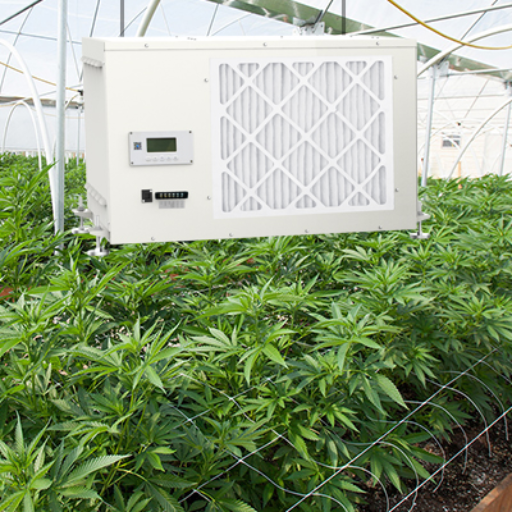
It is very important to maintain proper environmental conditions within the grow room so as to improve plant health and yield. Humidity control forms one of the crucial components in this environment, directly affecting photosynthesis, nutrient uptake, and the overall growth cycle. If humidity is in excess, it can lead to various problems, including mold, mildew, and other harmful bacteria that thrive in moist areas. This device will, therefore, enable us to maintain moisture levels at their suitable range for a healthy plant growth process. The present complete guide will examine detailed information regarding the choice of an adequate dehumidifier for your grow room regarding capacity, energy efficiency, noise levels, and additional features that may improve its performance. By the end of it all, readers would have gained sufficient knowledge required while buying such important equipment for indoor gardening, giving rise to thriving gardens under suitable conditions.
What is a Dehumidifier for Your Grow Room?
(grow room dehumidification)
Know the Basics of a Grow Room Dehumidifier
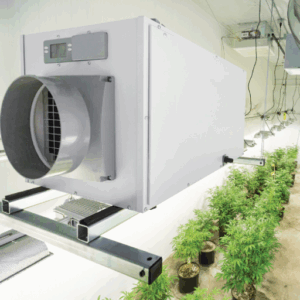
A grow room dehumidifier is a specialized machine used to regulate and decrease moisture content in the internal mood of growing plants. They work by taking in humid air, cooling it so that the moisture condenses, then sending back dry air to the same space. Conventional operations depend on refrigeration principles or desiccant technology, both of which are effective for reducing relative humidity. It is crucial to select a dehumidifier that corresponds to your grow room’s specific size and capacity requirements, as improper sizing can lead to inefficiencies in moisture control. Besides, other features like hygrometers, automatic shut-off function and continuous draining options can also make them more efficient thus maintaining a consistent environment where plants can thrive well. Understanding these basics is very essential for improving operational efficiency in indoor gardens and protecting them from problems associated with high humidity levels.
Why You Need a Dehumidifier for Grow Spaces
I know that as an indoor gardener I must keep a suitable level of humidity for plant health and yield. High humidity can cause several problems, including mold growth, leading to crop loss while creating unfavorable conditions for plants. In this regard, a humidistat is critical as far as maintaining proper humidity levels, thereby providing a safe growing space. Moreover,regulating the amount of moisture content in my garden one can avoid such common occurrences like root rotting as well as warding off pests. Moreover, however, proper levels of humidity boost nutrient absorption, increasing photosynthesis, hence giving robust, healthy, firm plants that overcome diverse challenges. Ultimately I have found out using a dehumidifier quite empowering since it allows me create stable and controlled conditions hence better outcomes during cultivation otherwise would be impossible.
Benefits of Using a Dehumidifier in an Indoor Grow Room
Using my dehumidifier inside my indoor gardening zone presents some significant benefits that are necessary for having my plants grow healthy and live. First of all, by constantly reducing humidity, I have managed to minimize the danger of mold and mildew which usually lowers both the quality and quantity of my yields. This is important in preventing unwanted pathogens from high moisture environments. Furthermore, favorable humidity levels are also important for facilitating nutrient availability and stronger crops through enhanced plant metabolism, such as faster growth rates. In addition, a dehumidifier can stabilize temperature fluctuations that promote the healthy development of vegetation. Generally, installing a humidifier indicates a well thought decision that ensures my indoor garden will be viable over a long time.
How to Size Your Dehumidifier for a Grow Room
(grow room dehumidification)
Things to take into Consideration when Selecting the Right Size
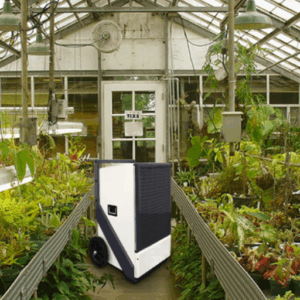
To ensure reliable performance, a number of technical parameters must be considered to determine the right size of dehumidifier for indoor garden rooms.
- Room Size: The first thing is about how big the grow room is, usually measured in cubic feet (length x width x height). This will determine the dehumidifier’s capacity, typically expressed in pints per day (PPD). A common guideline for efficient moisture removal would be one pint of moisture removed by dehumidifiers per 1,000 cubic feet.
- Humidity Levels: The initial humidity level inside the growing space expressed as a percentage plays a critical role. Higher initial humidity means that a bigger capacity dehumidifier is required. For example, if humidity is over 60% it might be necessary to have a PPD rating that surpasses what is recommended based on room size only by at least 50-70%.
- Plant Type and Growth Stage: Different plants need varying humidity levels during their different growth stages. For instance, seedlings and clones want higher humidity (about 70-80%) whereas mature plants prefer lower levels of humidity (40-60%). Therefore, getting to know your plants’ specific requirements can help you choose a humidifier with an adjustable humidistat.
- Temperature Range: Dehumidifiers also operate depending on temperature range. They generally work better at high temperatures. Therefore choose an unit that can effectively function within the anticipated temperature range inside the grow room that ranges from about 60°F up to 80°F.
- Drainage Options: Check if this unit has drainage options available. In large grow rooms, a continuous drain option may be preferred due to difficulties associated with draining reservoirs frequently. It can run without interruption through pumps or gravity drains even when left unattended.
With these considerations, it becomes possible to accurately size an adequate dehumidifier for proper plant growth while improving energy savings and operational reliability.
Determining the Right Size of a Dehumidifier
To truly measure the size of the right dehumidifier to use in my unique situation, I start off by measuring how many square feet I want to be dehumidified. According to many sources, this factor is derived by multiplying the area in square feet by a constant that takes into account both the level of humidity and what it would be used for. For drier rooms, 0.5-1.0 PPD (pints per day) per square foot can be used while more humid environments or applications requiring lower humidity may require an increase up to 1.2-2.5 PPD per square foot.
In addition, I check other critical factors such as initial moisture content and plant type as stated above. The combination of such elements will help me establish PPD rating a dehumidifier would need. For instance, if after measurements my room covers 500 sq ft and has high moisture concentration, then it might require between around 600 and 1,250 PPD based on particular circumstances.
Finally, therefore drainage options and operating temperature are suitable fit for my environment ensuring that I choose an appropriate model that meets all my goals for energy conservation purposes better. This stepwise procedure instills confidence in me when determining the appropriate size of a dehumidifier for my room.
Do you need a 70 pint Dehumidifier?
Before deciding on whether or not I should buy a 70 pint dehumidifier, I have to think about so many things such as specific levels of humidity plus how wide is this place i am going to use it on. In fact from my research conducted from reputable sources reveals that a typical space ranging from over 2000 sqft is another good example where 70-pint model is justifiable since these include massive areas with greatly high moisture contents within them at all times hence the relative humidity is usually more than 70%. If, for example, persistent dampness or mold growth are discovered in a basement, or if the room is often used for activities that generate moisture, these problems can be efficiently solved by using a 70-pint capacity.
Further consideration must also be given to the average moisture content in the air especially during peak humid seasons. Say I discover that my area always goes beyond recommended levels of humidity which should not exceed 60% and above then I should invest in powerful units like a 70 pint dehumidifier. Finally, with regards to keeping my indoor environment comfortable and healthy, I have to weigh my particular needs; how much space is available and what conditions exist now so as to make an intelligent choice about whether or not such capacity is needed.
What Are suitable Grow Room Dehumidifiers on the Market?
(grow room dehumidification)
Grow Room Dehumidifiers of the Year
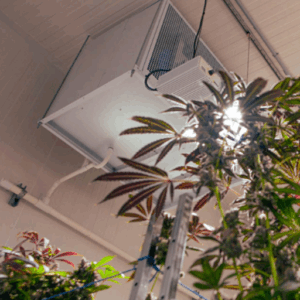
In my quest for a suitable grow room dehumidifiers this year, I have carefully considered resources from several prominent websites and compiled their insights into a comprehensive review. According to my research results, prominent options are:
- A 70-pint dehumidifier: This unit is solid because it effectively removes moisture and regulates humidity, making it suitable for large-scale growing rooms. Moreover, the intuitive control panel and energy-saving aspect make it more appealing.
- In addition, it helps ensure good performance in large spaces to maintain the proper living conditions for plants.
- Moreover, noise levels must be minimal when using such units indoors so that operations will continue smoothly.
By considering these models, I can ensure proper humidity rates in my growing room, which will lead to healthy vegetation development and higher yields.
How to Choose the right Dehumidifier
When selecting a dehumidifier for my growth area, I consider key factors based on extensive research from well-known sources. First, I gauge the moisture level in my cultivation environment; therefore, picking a device with enough capacity capable of handling the particular range of mugginess I experience is essential. For example, larger grow rooms may require models with higher pint capacities, like a 70-pint dehumidifier.
Afterwards, energy efficiency should also be considered so that while maintaining suitable conditions for crops, operating costs can be reduced. Additionally, usability features such as intuitive control panels, automatic humidistat, and noise levels, especially in quiet operations, greatly influence my choice. By combining these points together, I can make an informed decision regarding a dehumidifier that complies with both the environmental requirements of my plants and the operational efficiency that I am looking for.
How to Control Humidity in a Grow Room
(grow room dehumidification)
Employing a Humidity Controller in Your Grow Room
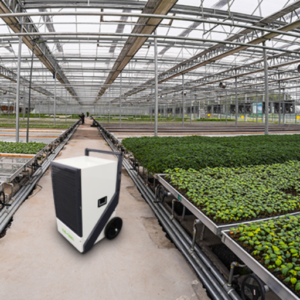
It is very important to have a humidity controller in my grow room because it helps me maintain reliable conditions possible. This humidity controller enables me to automate dehumidification to ensure consistent moisture levels within the range required for good plant health. I input the preferred level of humidity and when it rises beyond this point, it turns on the dehumidifier. Additionally, I like controllers with multiple functions to monitor temperature, which gives an all-around climate control solution. This automation not only alleviates the manual effort but also promotes a stable growing environment, thereby enhancing plant growth and yield potential.
How to Maintain Suitable Humidity Levels
To maintain suitable humidity levels in my grow room, I carefully observe and modify these environmental conditions depending on how they relate to plants needs. I need to keep my humidity levels between 40% and 60% during the vegetative stage while at the flowering stage, lowering them by around 30%-50% so as to avoid any cases of molds or mildew. Hygrometers help me know if there is any need for immediate action since they provide accurate information about this factor. Moreover, regular ventilation should be observed, and oscillating fans should be used to facilitate air movement so as to keep the constant moisture content in the air always around the recommended limits. On days with high humidity, I may have my dehumidifier running longer than usual; conversely, during dry spells, humidifiers may be necessary for proper moisture retention. Furthermore, incorporating wet sponge systems or water trays into the growing space ensures stability against rapid changes in humidity rates thus providing a conducive environment for healthy potted plants growth.
Common Problems with High Humidity and How to Solve Them
A lot of problems could arise from higher humidity levels in a grow room, including mold growth, nutrient uptake issues, and increased pest activities. The presence of overly humid conditions can encourage the growth of molds, many especially powdery mildew and botrytis which are highly detrimental to the plants. This is why I ensure that there is enough ventilation as well as fans placed at strategic points to enhance the free flow of air around the room. Other than this, I also use automated humidity controllers which help in keeping humidity consistent throughout.
The amount of moisture present can also negatively impact nutrient uptake since high humidity would cause slow transpiration rates. In this regard, I always guard against rooting disorders by regulating substrate moisture properly besides adjusting irrigation practices as needed. Additionally, spider mites and aphids are pests that breed mostly during moist times thus calling for constant vigilance about them. As such, the integrated pest management (IPM) approach helps me monitor and control the population density of these pests. By understanding what has made things go wrong with my plants and making a suitable environment for their growth, I can maintain a flourishing environment among my plants.
What Additional Equipment Do You Need Alongside a Dehumidifier?
(grow room dehumidification)
Ventilation in a Grow Room
There are several justifications for efficient ventilation in a growing room because it directly controls temperature, humidity, and carbon dioxide availability. An important thing to me is keeping the airflow moving to prevent build-up that could encourage mold growth and deteriorate plant health. Reliable resources I came across emphasized that an adequate grow room should have between 30 and 60 air changes per hour. This way, fresh air will always be available without allowing excess humidity.
To this end, I use exhaust fans with intake vents scaled down to operate at an efficient CFM (cubic feet per minute) within the required specifications. For example, a basic 4-inch exhaust fan should have 100 CFM minimum airflow in a small garden measuring about 4’x4’. Additionally, passive ventilation measures such as passive intake vents help in letting in fresh air while reducing excessive humidity levels. Monitoring environmental parameters such as temperature (70°-80°F) and CO2 levels (1,200-1,500 ppm) helps maintain a balanced atmosphere necessary for proper plant metabolism and growth. By meticulously refining my ventilation strategy, I ensure my grow room remains a thriving ecosystem for plant development.
Humidity Controller for proper Air Conditions
I have a humidity controller that is very helpful in maintaining the moisture balance required for plants to be healthy in my grow room. After studying various online resources, I have realized that it is suitable to keep the relative humidity (RH) between 40% and 60% during the vegetative stage or increase it slightly to 50%- 70% when flowering to encourage bud development.
For this purpose, I use a digital humidity controller with some fixed set points. For example, at around 55% RH, it automatically regulates itself outside these limits. The real-time readings are used by this controller to switch on my dehumidifier or humidifier and, therefore, ensure consistency of environmental conditions. When operating a dehumidifier, typically opt for one capable of pulling out at least 20 pints per day from an area of about 100 square feet where growing occurs. Conversely, a humidifier doubles up as a water tank that can provide moist air whenever needed since it produces approximately 1.5 gallons each day.
Fluctuations beyond such parameters sometimes lead to stress in plants and the development of diseases such as powdery mildew; hence, calibrating and checking are crucially important. Therefore, if controlled strategically, a well-designed humidistat system can keep a microclimate stable, thereby increasing overall growth performance and plant health in general.
Such Importance of Correct Dehumidification Ability is Required
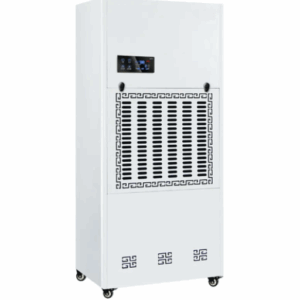
Proper moisture removal capacity is necessary to provide a proper environment for plant health because excessive humidity can lead to mold and mildew growth, which hamper plant development. Based on my research of go-to resources on Google; it has come to my attention that dehumidification capacity should align with the grow space’s specificities. For instance, a normal recommendation for about 100 square feet areas could be choosing a dehumidifier that removes at least 20 pints of water vapor every day. This is why an efficient dehumidifier can maintain dry air required especially during flowering when transpiration rates are higher.
Furthermore, the rate of moisture removed must match with the desired humidity level I’m targeting. During high humidity periods, like after watering or when indoor temperatures rise then, I always ensure my dehumidifier remains running and set appropriately so as to have a relative humidity (RH) of around 55%, preventing fungus from attacking crops. The presence of a digital controller enables settings adjustment depending on environmental conditions, thus allowing precise control and quick response to changes in moisture content. This selection of devices based on given technical parameters is essential while creating robust growing conditions that will enhance healthy growth of plants and increase yields too.
Frequently Asked Questions (FAQs)
Q: What size dehumidifier do I need for my grow room?
A: The size of the necessary dehumidifier depends on the dimensions of your growing area and moisture levels. You should properly measure the room and determine the number of pints you will remove from it daily. Many manufacturers produce Dehumidifiers improved for use in greenhouses, these including a range of commercial dehumidifiers.
Q: How does dehumidification affect the grow cycle?
A: Humidity control is important throughout the growth cycle. For instance, improved humidity management prevents mildew or powdery mildew from developing, thus creating a better plant habitat. As far as the flower stage is concerned, plants transpire more water; hence, one must maintain proper relative humidity to ensure that they flourish well.
Q: Why is relative humidity control important in a grow room?
A: Controlling relative humidity is crucial to prevent diseases like powdery mildew and mold development and to ensure effective plant transpiration. A proper RH level can also maintain proper temperature/humidity balance, which is vital to your cultivation’s health and productivity.
Q: How can I manage humidity in a small grow room or grow tent?
A: In small indoor gardens or tents, it is crucial to get an appropriate dehumidifier—right-sized for these spaces. Therefore, compact growing-friendly dehydrators have been developed for efficient utilization within limited rooms. This ensures that the right conditions are maintained by regularly monitoring the RH and adjusting the dehumidification settings.
Q: What is the role of a lung room in grow operations?
A: Air conditioning buffers are essential for conditioning the air before it enters grow rooms. This way, temperatures and humidity can be controlled more accurately, as HVAC systems and dehumidifiers are subjected to less strain. By acting as an intermediate zone, it makes for better environmental control.
Q: Can a dehumidifier help prevent powdery mildew?
A: A low relative humidity level maintained by a dehumidifier largely prevents powdery mildew. High humidity can cause serious concerns, so preventing it from occurring through the use of humidifiers is very important when utilizing growing facilities.
Q: How does the grow cycle impact dehumidification needs?
A: Hydroculture’s requirements for humidity control vary with time. For example, during the vegetative stage, they may not transpire much, but at the flowering stage, water loss increases dramatically. Therefore, controlling your humidistat according to these stages will maintain proper moisture levels all through your greenhouse’s cultivation period.


