
Current location:Home > Blog > Dehumidifier Blog
Places to Put Your Dehumidifier
Read Count:19 Update Time:2026-10-08 03:46:11
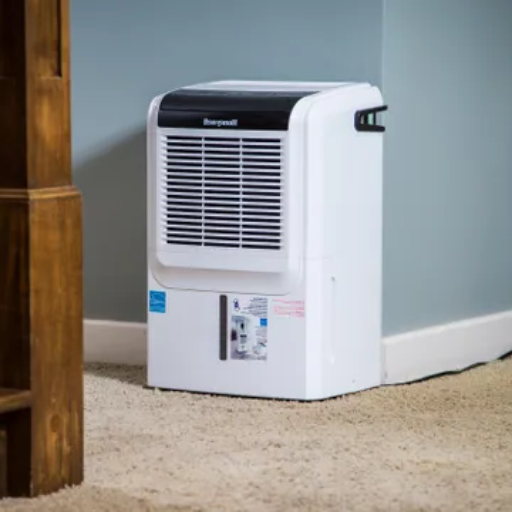
Understanding where to position your dehumidifier strategically is important for improving its effectiveness and providing a comfortable living environment. This is according to an article titled “Where Should I Place My Dehumidifier?” by Dr. Fredric Mindorff, Ph. D., a Florida State University professor of physics and atmospheric sciences. The importance of placing these essential appliances properly in the house cannot be overstated since they minimize or elevate dampness levels that can affect both human health and housing integrity. The consequence of this is damage caused by moisture that leads to indoor air pollution, such as mold, mildew bacteria and fungi growths, wood deterioration, and dust mite growth. This guide will address how to place your dehumidifier throughout your home after considering various factors like room size, air circulation, existing moisture sources, and specific areas many prone to wetness. These instructions are beneficial in enhancing homeowners’ efficiency of dehumidifiers while still ensuring healthier and more comfortable breathability in their living spaces.
What is suitable Place to Put a Dehumidifier in Your Home?
(Where to place a dehumidifier in the home)
Why does the place where a dehumidifier should be put matter?
Correct positioning of a dehumidifier is pivotal in improving its operational efficiency and effectiveness. The right spots enable it to focus on the wettest areas directly, making it possible for humidity levels to drop faster and more evenly across the room. By doing this, you can reduce the amount of work that a dehumidifier has to do, resulting in lower energy consumption and the increased life span of the equipment. Furthermore, placing the dehumidifier in places with poor circulation helps keep off moisture buildup that leads to the growth of mold and mildew. In summary, good placement strategy promotes fresh air and general wellbeing within homes.
How does Humidity Affect Where to Place Dehumidifiers?
What I have experienced makes me see how much effect the level of humidity plays in locating a dehumidifier for it to give a proper outcome. When evaluating the humidity conditions in various rooms, I typically use a hygrometer to measure relative humidity (RH). Proper indoor humidity falls between 30% and 50% RH; anything above 60% RH indicates excessive moisture, which will require some kind of specific action.
In persistently humid spaces like basements or laundries, placing the appliance closer to moisture sources such as washing machines or potential leaks can significantly increase its efficiency. According to information from different models of dehumidifiers, having them placed within areas with a lot of moisture helps them extract water at a fast rate; for instance, if an appliance says that it removes about 30 pints per day, this can be surpassed by up to 15%, depending on where it is fixed.
On the other hand, when it comes to rooms with moderate humidity levels, say living areas with proper airflow systems, I strive to position my dehumidifiers centrally to encourage the equal flow of air inside the room. By considering how air moves, you can place it in areas where it won’t obstruct airflow by the walls or furniture, reducing its efficiency. As a result, considering both quantitative data on humidity levels and qualitative information on the room layout is essential when deciding where to place a dehumidifier in any home.
Where are suitable Places to Put a Dehumidifier?
As I found out in my explorations and from reliable sources in the industry, an important aspect is choosing the right spot for the good results. Firstly, I would suggest that you place it in areas that are prone to dampness, such as basements, crawl spaces, or laundry rooms, which usually have high humidity. Such places benefit greatly from the close proximity of moisture areas because dehumidifiers work more efficiently.
In addition, putting a dehumidifier in central living areas helps to maintain balanced moisture levels throughout the home by minimizing airflow obstacles. For example, dining rooms, bedrooms, and living rooms, which have varying humidity levels related to seasons, need this kind of placement. Raising the dehumidifier slightly above ground level on a firm platform also benefits air circulation and proper operation. Therefore, assessing each room’s humidity levels and currents will provide an opportunity for effective location that decrease moisture content while improving indoor air quality.
How to Use a Dehumidifier in the Basement
(Where to place a dehumidifier in the home)
Why Have A Dehumidifier In The Basement?
I think positioning a dehumidifier in the cellar is vital to ensuring good indoor air quality, specifically because basements are innately more prone to moisture buildup. Various studies show that basements generally tend to have higher relative humidity than other parts of the house with values often ranging between 60 – 80%. This high moisture content promotes mold growth and causes structural problems like wood decay and rusting of metal supports over time.
Additionally, I found that the average basement humidity can greatly affect overall indoor air quality throughout a home. Environmental health guidelines suggest keeping indoor humidity below 50% to discourage mold spores and dust mites. However, this type of dehumidifier strategically placed in cellars can lower these humidities significantly thereby alleviating risks associated with damp settings such as respiratory troubles or allergies. By handling this issue through a separate dehumidifier intended for managing humidity levels in homes, we shall witness marked improvement in air quality indices, making it important for its situation here in this critical area of residence.
How to Establish a Dehumidifier in the Basement
Setting up a dehumidifier in the basement involves carefully considering multiple factors to ensure effective moisture control. First, I choose the right size of the dehumidifier based on its square footage and humidity. Many manufacturers have charts that link the capacity of their appliances with room size and humidity levels.
Afterwards, I place the dehumidifier strategically within my basement, preferably in a central position, for proper air circulation. Avoid mounting it against walls or hiding it behind furniture, as these will obstruct airflow and reduce efficiency. This unit’s air intake and exhaust vents should be cleared for greater performance.
I also make sure that the dehumidifier is placed on a flat surface so that it does not fall easily and facilitates drainage. If it has an internal pump, I can connect it to a nearby drain or sink for continuous water removal instead of having to empty its water reservoir frequently. Otherwise, I might place it near a window or door so that I can easily discard accumulated water through handwork.
Lastly, In setting up this device, I will adjust my preferences on its control panel while ensuring that humidity remains between 30% and 50% because this range provides reliable results. It needs maintenance, like checking monthly if clogged by dust. Besides, some models need water emptying from their reservoirs, unlike others, which are designed with continuous drainage mechanisms; therefore, they do not require periodic emptying activities apart from cleaning filters whenever necessary. I can effectively manage humidity levels using these steps, making my basement have clean air.
What is suitable Level of Humidity for a Basement?
In my experience, a suitable basement humidity level usually ranges between thirty and fifty percent. This range is crucial in preventing issues related to moisture, such as mold growth, rotting wood, and bad odors. Anything above 60% relative humidity could significantly increase the spread of mold spores, while less than 30% may cause dryness, leading to other problems such as cracking and discomfort.
I use hygrometers to accurately monitor humidity levels in my basement, enabling me to take precise readings about the current humidity levels. Such information helps me adjust if necessary. For example, suppose I notice that my levels constantly go beyond the mark. In that case, I might consider more aggressive measures, such as improving aeration or boosting the efficiency of a dehumidifier that is running in my house. On the other hand, when they fall below this range, I would employ a humidifier to ensure comfort. Because of this reason, I can maintain proper moisture levels, thereby enhancing my cellar’s integrity and improving general air circulation in the process.
Can You Place a Dehumidifier in a Crawl Space?
(Where to place a dehumidifier in the home)
Steps to Properly Place a Dehumidifier in a Crawl Space
I follow some detailed steps based on insights from prominent authoritative sources to ensure that a dehumidifier works properly and efficiently in the crawl space.
- Choose the Right Dehumidifier Size: The square footage of the crawl space will dictate what size the unit should be. For example, I usually select 30-pint per day models for spaces under 2k sq.ft. Units with a capacity of 50 pints are recommended for larger areas that range between 2,000-3,500 square feet. Choosing appropriate sizes is essential since small sizes can result in insufficient humidity lowering, and big ones may leave behind some moisture, thus enabling mildew growth.
- Decide Where Proper Airflow Should Be: I always ensure that my dehumidifiers are placed at least twelve inches away from the wall and right at the dead center of my crawlspaces. This allows the device to receive moist air from all its positions.
- Also Important Is Making Sure That It Drains Well: To prevent water buildup, one must either connect their dehumidifiers directly into waste pipes or alternatively use condensate pumps when gravity drainage fails, especially for trendy devices with built-in pumps, which permit them to expel collected liquid upwards whenever there’s no water outlet inside such tight places as houses’ basements or cellars.
- Sometimes, Ventilation Systems Need to Be Installed: It also depends on what conditions exist naturally within this particular area; therefore, I have to evaluate whether additional ventilation systems are necessary. In some cases, installing passive vents or powered ventilation fans may improve their performance by allowing air circulation through them.
- Regular Maintenance Checks: Lastly, I commit myself to conducting frequent assessments of the dehumidification unit to ascertain the cleanliness of the filters and ensure that it operates properly. A hygrometer helps me determine the amount of moisture in the room and enable me to adjust the dehumidifier to an appropriate level between 30% and 50%.
This way, I can control moisture levels inside my crawl space and avoid situations that could lead to rotting or mold development, which causes poor-quality air.
Why Use A Crawl Space Dehumidifier?
Using a dehumidifier in crawl spaces has several benefits that significantly contribute to the building’s structural integrity and indoor air quality. To begin with, dehumidifiers help maintain proper humidity levels (preferably 30%–50%), thus preventing the growth of mold/mildew, which thrives well in humid environments. This is important because molds produce spores, which negatively impact respiratory health.
Apart from molding prevention, it also prevents wood structures from rotting or decomposing, hence increasing the lifespan of the whole property. Additionally, by regulating humidity levels, I can cut down on chances for infestation by pests such as termites and other bugs who are attracted to dampness.
From an engineering perspective, a dehumidifier’s efficiency is commonly expressed as its capacity measured in pints per day (PPD). For crawl spaces bigger than 1,500 square feet, I generally suggest a 70-ppd-capacity unit to allow effective moisture removal even under high humidity conditions. Moreover, energy efficiency is vital; therefore, I prefer those with Energy Star ratings since they ensure efficient moisture removal at minimum energy costs.
In summary, not only does strategic interior placement maintain house structure but also promotes a good breathing atmosphere by improving air quality and reducing problems associated with high relative humidity levels.
Where to Place a Dehumidifier in Warm Weather
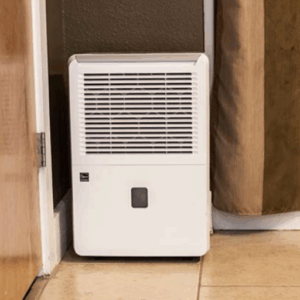
(Where to place a dehumidifier in the home)
Suitable Places to Put a Dehumidifier During Summer
From my experience, recognizing the right places where a dehumidifier can be installed during the summer can go a long way in improving its efficiency. I usually recommend placing such equipment in high-moisture areas such as basements, laundry rooms, and bathrooms because these areas are prone to higher humidity levels. Besides, placing it near moist sources like washing machines and showers has significantly allowed it to absorb excess humidity efficiently.
When the house has a crawl space, this is where one should put the dehumidifier so that other levels of living above don’t get affected by moisture problems. For larger open spaces, I propose putting them at central points for better air flow and improved control over all humidity. In case there are expansive areas of more than 1,500 square feet, multiple dehumidifiers may need to be used so that each unit operates at full capacity. By setting my dehumidifier strategically in these specific locations, I can manage humidity effectively and create a healthier indoor environment during hot seasons.
How to Manage Humidity in Warm Weather
Managing hot weather humidity involves step-by-step strategies. Firstly, I normally suggest ensuring proper ventilation within your house so that fresh air enters and circulates through it, reducing indoor moisture. Windows opened at cooler times of day may help in this, while exhaust fans should be used in wet areas like kitchens or bathrooms to eliminate excessive humid air.
Secondly, HVAC systems must work properly because if they break down, they cannot remove enough water from the compressed summer air. A routine overhaul involving changing filters and making sure that the system matches well with your house size would greatly increase its efficiency when it comes to extracting water from air. Additionally, coolers lower humidity levels since they serve as natural dehumidifiers when cooling an area.
Lastly, silica gel or calcium chloride as absorbing materials is a good temporary option for collecting moisture in small enclosed spaces. This approach, combined with using an one-off dehumidifier in a high-humidity environment or during hot days, creates an integrated approach to managing internal humidity levels. Such practices have been vital in ensuring that my house stays comfortable and healthy throughout the summer.
Should You Use a Dehumidifier in the Utility Room?
(Where to place a dehumidifier in the home)
Advantages of Keeping a Dehumidifier in the Utility Room
There are numerous advantages to keeping a dehumidifier in the utility room, and they play an important role in maintaining the right living conditions. The discussion below is based on my findings from various popular resources.
- Moisture Control: Excessive humidity within utility spaces can lead to mold development and damage to structures. A dehumidifier removes extra moisture, usually aiming for 30-50% relative humidity, which is suitable for preventing mold spore multiplication.
- Improved Air Quality: Reducing air moisture by using a dehumidifier improves overall air quality. This is especially relevant in places infested with dust mites and allergens. Certain dehumidifiers have a daily capacity to remove wetness from up to 50 pints or less, depending on the size required for use in wet utility areas.
- Energy Efficiency: modern units consume less than one-kilowatt hour (kWh) per hour, making them energy efficient. This becomes significant because reducing indoor humidity may offload HVAC systems, thereby lowering power charges over time.
Therefore, summing up these considerations shows that using dehumidifiers in utility rooms is an appropriate step towards enhancing comfort and avoiding dampness-related issues.
Proper Dehumidifier Placement Hints for the Utility Room
Based on empirical research and the technical specifications of different models, there are a number of key factors to consider when deciding where to strategically position a dehumidifier in the utility room.
- Centralized Location: The dehumidifier should be placed centrally within the utility room to ensure uniform air circulation. I like it at least 12 inches away from any wall or obstruction because that distance allows for proper airflow, effectively pulling in moist air and distributing drier air uniformly.
- Proper Drainage Setup: Whenever I buy a model with continuous drainage capabilities, I always make sure that the drain hose is directed towards a nearby floor drain or sink. This setup reduces the need for manual water removal and helps ensure efficient operation. It can also benefit the device by preventing overflow and probable water damage.
- Consider Ventilation and Temperature: Research has shown that dehumidifiers should be operated at a temperature between 65°F and 80°F (18°C to 27°C). The utility room has adequate ventilation and does not exceed this temperature range, as per my checks. It should also be located away from direct sources of heat, such as dryers and hot-water tanks, which generate excessive heat, thereby lowering the efficiency of dehumidification processes.
- Monitor Water Levels: Checking the water reservoir periodically is vital, especially if applicable. For non-continuous drain dehumidifiers, setting reminders on when to manually empty them helps me prevent flooding my basement. Also, machines fitted with sensors alert users whenever their tanks fill to help keep operations running smoothly without interruption.
Applying these hints makes me quite confident about how well this machine will work under suitable circumstances. It will handle humidity efficiently, thus avoiding problems caused by moisture in this part of my house. Moisture-related challenges in our home’s utility rooms are no longer issues after applying these hints.
Frequently Asked Questions (FAQs)
Q: What is suitable location for placing a dehumidifier in my house?
A: a suitable place to put your dehumidifier is in places with high humidity, such as basements, bathrooms, or laundry rooms. These areas tend to have a moisture in the air and are suitable for removing excess humidity.
Q: Can I put my dehumidifier right against the wall?
A: Don’t place your dehumidifier right up against the wall. Leave adequate space around it for proper air circulation so that it can work at its reliable performance.
Q: Should I use a dehumidifier in my basement?
A: A basement dehumidifier is highly effective at controlling basement moisture levels. Basements typically have higher moisture levels than other parts of a home making them good spots to place dehumidifiers.
Q: How do I tell if my dehumidifier is running properly?
A: There is less condensation on windows and walls and less humid air. You may also check the humidity level with a hygrometer; an effective model will maintain 30-50% RH (relative humidity).
Q: Is it better to use a desiccant dehumidifier?
A: They can also be useful in cold climates where they do not rely on condensation to extract water from the atmosphere. Additionally, they are quieter and lighter weight which makes them more portable around homes.
Q: Can I move my dehumidifier from room to room?
A: You can move your unit from one room to another depending on the different places in your house where you need humidity control. Keeping it in areas with high vapour quantities, like bathrooms, would be suitable.
Q: What should I do if I notice humid air from the dehumidifier?
A: When you notice humid air coming out of your dehumidifier, it could be due to a full water tank, blocked filter, or undersized unit. The user manual will give some tips about how to fix it.
Q: Where should I place my dehumidifier for a suitable air circulation?
A: To enhance better air flow, place the dehumidifier in a central position in the room, away from walls and furniture. It shouldn’t be placed in corners or tight spaces.
Q: Can a dehumidifier help with duct moisture issues?
A: It removes excess humidity from the air, reducing duct moisture. This helps prevent mold formation and any other form of moisture effect in your ductwork.
Q: How often should I clean my dehumidifier?
A: Clean the filter and water tank regularly, at least twice a month, so that they can efficiently work and remove moistness from the atmosphere.


