
Current location:Home > Blog > Dehumidifier Blog
Effective Ways to Dehumidify a Room: Tips and Tricks for Lower Humidity
Read Count:13 Update Time:2026-10-08 03:44:09
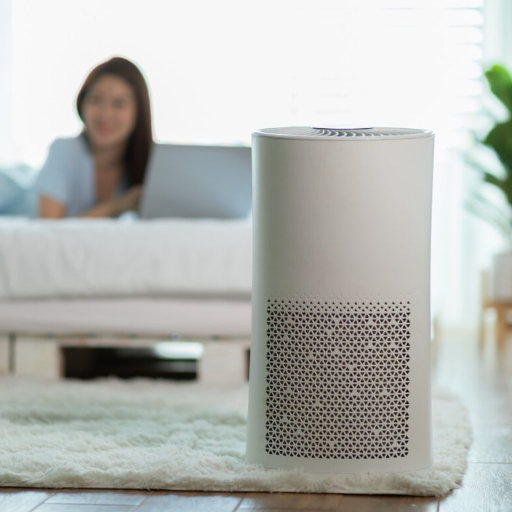
The problem with the changes in moisture inside houses is that they can cause discomfort and health problems and damage the building. Extra water vapor in the atmosphere provides a good environment for mold, mildew, and dust mites, known to be allergens and may worsen respiratory conditions. Therefore, it is important to control humidity levels well to live healthily. This essay explores different ways of effectively dehumidifying a room; this will give you technical knowledge alongside practical advice. Our goal is to present comprehensive approaches that can help in great measure reducing dampness, improving air quality, and create a more pleasant living environment throughout your house, from mechanical gadgets such as dehumidifiers or air conditioners to passive methodologies like ventilation systems and moisture-absorbing materials.
What Are an Effective Ways to Dehumidify a Room?
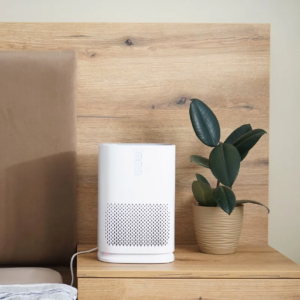
(ways to dehumidify a room)
How to use a Dehumidifier Effectively
To make a dehumidifier more effective, there are several things you need to take into account:
- Suitable Placement: Place the dehumidifier in the center of the room to circulate air evenly. Ensure that no furniture or curtains obstruct it, as this may block airflow, reducing efficiency.
- Set the Right Humidity Level: Many dehumidifiers allow setting the desired humidity between 30-50%. This range is generally accepted for comfort while preventing mold growth. Use a hygrometer to monitor moisture content and adjust settings accordingly.
- Regular Maintenance: Clean or replace filters as manufacturers recommend to ensure a smooth air flow through them. Empty water tanks frequently unless they have a continuous drain hose connection through which excess liquid can be automatically discharged.
- Consider Energy Efficiency: Choose an energy-star-rated dehumidifier that will save power while effectively controlling humidity levels. Look for models with built-in humidistats that turn on/off depending on the selected moisture level.
- Run Continuously: Keep running the unit without stopping until you attain your desired dryness, especially when dealing with very damp spaces. Then, later, adjust the controls to keep up with what has been achieved.
Following these guidelines will improve your dehumidifier, thus creating a comfortable and healthy indoor environment.
Ways to Decrease Humidity in Your Home Naturally
To reduce humidity at home naturally, I have applied several techniques which are both convenient and effective. Initially, ventilation is ensured; this can be done by opening windows more often than not and using exhaust fans, especially in areas like the kitchen and bathroom, that help air circulation and get rid of excess moisture. In addition to this, I put indoor plants strategically because some plants take up extra humidity while improving the quality of air although one should avoid overwatering them too much. Moreover, I use items that absorb moisture, such as charcoal or baking soda, where there is frequent dampness. Last but not least, it would be necessary to control temperature using an air conditioner to keep low humidity levels; thus, cooling is balanced with circulating air within my house, creating a suitable possible atmosphere for healthy living. What I do is combine these methods to create a healthier living environment.
Air Circulation: An Essential Element in Lowering Humidity
Good air circulation plays a vital role in managing indoor humidity levels since it ensures the even distribution of air and prevents moisture accumulation. Improving for air circulation promotes better ventilation that allows humid/damp airs out while letting drier ones come inside.
Main Technical Parameters:
- Air Exchange Rate (ACH) – It represents how many times per hour the volume gets changed with the new fresh supply. Recommended ACH readings range from 5 to 6 thus implying complete replacement every 10-12 minutes.
- Fan Capacity—This depends on room size where fans circulate fresh supplies around the premises. A small area may require a fan with a capacity of 70 CFM (Cubic Feet per Minute). In contrast, larger spaces need higher values so efficient movement can occur accordingly.
- Ventilation Rate -A minimum rate equivalent to 0.35 ACH should always be maintained in residential buildings for outside air intake, which is necessary to dilute moisture content within the building.
- Humidity Levels – a suitable indoor humidity range is between 30% and 50%. These levels are easily attainable by employing fans and dehumidifiers simultaneously.
By understanding these technical points, one can greatly enhance air movement at home, which will significantly reduce humidity and create more comfortable living conditions.
How Can You Dehumidify a Room Without a Dehumidifier?
(ways to dehumidify a room)
Plants That Soak Up Moisture from the Air
Some plants can take in moisture from the environment around them. They can do it so well that one of these houseplants is a more efficient dehumidifier than an electric one. Here are a few of my favorites:
- Spider Plant (Chlorophytum comosum): This plant is great for people who don’t have much natural light in their homes. It also removes toxins from the air.
- Boston Fern (Nephrolepis exaltata): Boston ferns have thick, full foliage that allows them to absorb large amounts of water vapor from the atmosphere. They like humidity almost as much as I hate it – so this plant is suitable for bathrooms!
- Peace Lily (Spathiphyllum spp.): These pretty white flowers help with excess moisture and many different types of air pollution. Peace lilies are very forgiving regarding how much or little light they get and can survive anywhere.
Moisture-absorbing plants such as these have made all rooms feel less sticky. Taking advantage of their built-in humidifiers seemed like balancing indoor climate was achievable within my living spaces. Putting strategic locations throughout my house should result in measurable drops in dampness without using any electricity at home!
Do-It-Yourself Approaches to Lessen Indoor Humidity
To help ensure that my house always remains comfortable, I have adopted numerous helpful do-it-yourself techniques for lowering humidity levels. These methods are compatible with the use of plants that absorb moisture and enhance the general quality of indoor air.
- Better Ventilation: It is important to increase the flow of air. This means that I let more outside air in by opening windows and using exhaust fans, mainly in areas where there is much condensation, like kitchens and bathrooms. By doing so, moist air is pushed out while drier air is allowed in from outside.
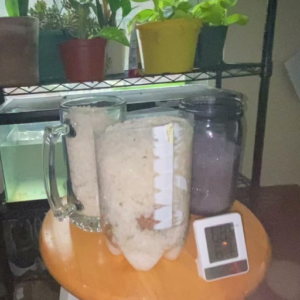
- DIY Dehumidifier: By employing rock salt, I came up with an easy dehumidifier which is homemade. When water vapor pass through it, humidity gets absorbed since salts attract moisture. This low-cost method can be used in closets or small rooms where there’s need for effective reduction of dampness.
- Water-Absorbing Materials: Whenever things are too wet around me, I turn to silica gel packets or activated carbon, which work wonders when it comes to controlling moisture content levels. In places like basements or storage rooms that always feel dumped due to high humidity rates, these substances should be placed strategically because they prevent mold growth by sucking up any excess amounts of water.
These methods help me strike a balance between various points inside my house regarding humidity management without relying on machines many of the time.
Employing Charcoal Briquettes and Table Salt
Having managed indoor humidity for quite some time now, I can confidently say that charcoal briquettes and table salt are very useful. The essence behind charcoal briquettes’ functionality is adsorption—the ability to effectively retain moisture and odor within their porous structure. To remove excess moisture from the air over a period, I put them in open pans around humid places such as closets and bathrooms. This method is low-cost and efficient since they can last for many weeks before replacement.
Similarly, rock salt acts as a natural desiccant by attracting moisture out of the atmosphere through hygroscopicity. When left inside a breathable cloth bag or an open bowl, it interacts with air in the room, thereby lowering humidity actively. I just change salts after they have absorbed enough water vapour. Making use of these resources during my management of indoor humidity has not only helped me fight against dampness but also improved general health conditions at home.
What Causes High Humidity Levels in a Home?
(ways to dehumidify a room)
Typical Causes of Moisture in Your Home.
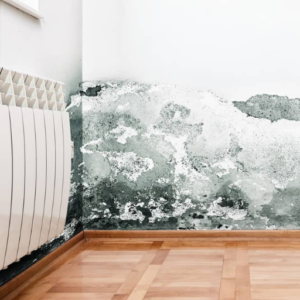
Based on my findings, a few common sources of moisture can cause high humidity levels in a house. One big culprit is cooking; boiling water or running the dishwasher introduces steam into the air. In addition, I’ve found that if bathrooms don’t have good ventilation systems, they tend to become very humid after showers or baths. Homes’ foundations and walls may also let water in when it rains heavily or if there’s poor drainage around them — this is another major source. Finally, other indoor activities like drying clothes indoors make humidity worse too. It’s important to know these to manage indoor moisture effectively and keep ourselves comfortable.
The Relationship Between Weather & Climate And Indoor Humidity
Looking at many reliable sources on how weather and climate affect indoor humidity, one thing stands out: they all say more or less the same thing. First off, let me start with relative outdoor humidity – this percentage tells us how much-saturated moisture there is outside compared to what our planet can hold at its current temperature; generally speaking (but not always), if RH% exceeds 60%, then I’ve seen water entering buildings through windowsills, doorsills, etc. Second thing: warm air holds more water than cold air does; during summer months when it gets up over 90°F (32°C) outside sometimes even higher than that depending upon where you live – well-ventilated homes still often end up with higher humidity inside because … thirdly…external humidity levels could be around 70% plus.
Another example would be that in winter months, as the temperature drops below freezing outside, heating systems could actually cause some dryness but also create a large temperature difference, which leads to condensation forming on windows due to contact between warm, moist room air and much colder outer pane surface. This being said, I would use double-glazed units as an effective way of preventing condensation.
I used a hygrometer to measure indoor humidity and found that anything between 30% and 50% is good. Any higher than 60%, though, and there’s a significant risk of mould growing or dust mites thriving, which can have nasty effects on your health and worsen the air quality inside. So, it should be ventilated properly using ceiling fans or other devices and strategically controlling temperature levels.
How to Monitor and Maintain Humidity Levels in Your Home?
(ways to dehumidify a room)
How to Measure Humidity Using a Hygrometer
From what I know, using a hygrometer is important if you want to measure indoor humidity levels with accuracy. When choosing which one to buy, I would suggest digital models over analog ones simply because they usually give more precise readings. Next, I find an appropriate place for my newly purchased device somewhere central within the living area but not near any direct source of heat or air draft so that it can show me the average humidity around. There is also a need to check this gadget from time to time because then only can we see how much moisture changes during different parts of day and various seasons. For instance, a suitable reading should range from 30% up to 50% for us to have good conditions inside our homes. Still, as always, ventilation systems need some adjustment or maybe even dehumidifiers, depending on these figures. This way, by regularly observing what goes on with amounts of water vapor in rooms where people live, I am able to prevent many health problems related to too much dampness – such as molds growing there or allergens settling down somewhere nearby.
Humidity for different rooms.
I have established precise humidity ranges to meet each space’s functional needs and threats.
- Living Areas (e.g., living room, family room): My recommended humidity range is 30% to 50%. It helps prevent dust mites and molds while creating comfortability.
- Bedrooms: For sleeping environments, a slightly higher humidity level of around forty percent to fifty percent can enhance comfort and support respiratory health during sleep.
- Bathrooms: Humidity levels around 30% – 50% are appropriate given the high amount of moisture generated from baths; this may help in preventing mold growth through use of exhaust fans while bathing or showering.
- Kitchens: In kitchens, as with bathrooms, much humidity is produced. I aim for 30% to 50%, using extractor hoods and proper ventilation techniques to manage steam and moisture content.
- Basements: Because basements often experience dampness, it is advisable to maintain humidity levels between 30% and 40% to avoid the musty smell caused by molds.
These specific room moisture targets promote a healthier indoor environment, making it more habitable and thus reducing risks related to inappropriate humidity management.
Tips for preserving suitable humidity levels throughout the year
This is how I keep the right humidity at home all year long. I do it by following some of these steps which are considered as good practice in this field. First of all, I make sure that my hygrometer is of high quality to give me real-time information about the amount of moisture in the air. This allows me to react promptly whenever required by adjusting humidity levels up or down.
Whenever heating or cooling systems are involved, they should be fitted with humidifiers and dehumidifiers where necessary for automatic moisture content regulation. Such equipment should be serviced regularly by changing filters, among other things, so that it works reliably properly. Besides, areas prone to wetness should be fitted with exhaust fans whose operation should coincide with activities like cooking, which may generate steam.
Whenever weather permits, one should open windows more often to allow fresh air to circulate freely around the house, thus helping to balance indoor humidity levels against external ones. Finally, drafts or leaks around windows and doors should be sealed off because uncontrolled air passage can easily disrupt the desired atmospheric moisture balance within the home environment.
If these steps are followed religiously, then there will never be a day when my house remains comfortable all through without any health risks associated with the wrong amounts of water vapor in our living spaces.
How Can an Air Conditioner Help Dehumidify Your Home?
(ways to dehumidify a room)
How Air Conditioners Take the Moisture Out of the Air
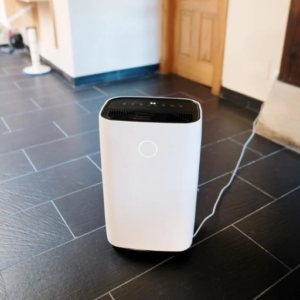
As per my understanding, air conditioners act as a dehumidifier in the house through refrigeration. When warm air moves around the system, it flows over evaporator coils containing coolant at very low temperatures. Consequently, it cools down, and this leads to condensation of moisture in the air, which is collected and drained away. The refrigerant is then pumped by the compressor back to the coils for continuous running. During this operation, cooled and dehumidified air is blown back into the living space, thus making it more comfortable with even humidity levels. I have realized that having an air conditioner helps control temperature and greatly aids moisture regulation, which is important for preventing mold growth and improving overall air quality.
Setting up Air Conditioners Effectively for Dehumidification
When it comes to improving my AC’s performance on removing humidity from rooms, there are certain settings I look out for based on what has worked well for me in previous years. First off, I always make sure that the thermostat is set at a point slightly lower than outside temperatures so as to encourage maximum rates of condensation on evaporator coils. Secondly, whenever humidity rises beyond comfort levels, I employ ‘dry’ or ‘dehumidification’ mode, focusing solely on extracting excess moisture without necessarily cooling down spaces too much. Another thing worth mentioning is regular servicing; cleaning or replacing filters once every month enables full utilization of airflow, enhancing efficiency too. Not only do these techniques save energy but also prevent additional indoor moisture during peak humid hours when exhaust fans should not be used especially in kitchens and bathrooms where they tend to pull more dampness indoors thereby nullifying efforts aimed at reducing atmospheric wetness through dehumidifiers. Following these tips can achieve reliable performance from their units, leading to healthy living environments.
Frequently Maintaining Air Conditioners for Efficient Dehumidification
What I do to ensure my AC works effectively as a dehumidifier aligns with widely recommended practices from different reputable sources. First, I thoroughly inspect and clean the evaporator and condenser coils at least once yearly because any dirt buildup greatly hampers their ability to absorb heat or moisture. In addition, keen attention is paid to ensuring no clogs within the condensate drain since stagnant water provides suitable conditions for mold growth, which could be hazardous if not dealt with promptly. Moreover, it is also important to check whether refrigerant levels are right since inadequate amounts can lower the efficiency in the dehumidifying capabilities of these systems. Last but not least, I proactively look out for any leakage points along ductworks, sealing them up tightly to enhance airflow and keep off moisture. By following such comprehensive maintenance procedures, I am able to get the full benefit of my air-conditioner, especially when it comes to removing excess wetness from the atmosphere, hence promoting healthier indoor spaces.
How to Handle Excess Moisture in Problem Areas?
(ways to dehumidify a room)
How to dry out a moist basement
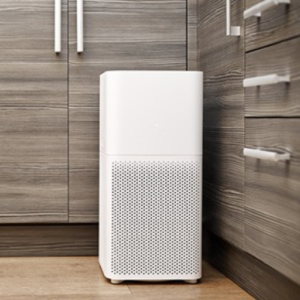
In order for my basement to get dehumidified, I follow a mix-and-match method informed by various reliable sources. I ensure enough ventilation by fitting exhaust fans or opening windows to allow air circulation. Secondly, I buy a high-capacity dehumidifier but ensure it can manage the size of my basement in terms of square footage. With the help of a hygrometer, I always check humidity levels, which should be maintained between 30% and 50%. Also, I examine all foundation wall or floor cracks that might let moisture in and apply waterproof sealants as needed so as not to allow water penetration into such spaces; this is done to prevent wetness from finding its way through these areas. Furthermore, I do not place anything directly on the floor and use containers resistant to moisture, minimizing dampness caused by storing things underground. These measures have proved effective in reducing wetness thereby enhancing usability and comfort of my cellar.
Measures for controlling high bathroom humidity
To effectively control increased humidity levels in my bathroom, I borrow a leaf from authoritative recommendations based on general principles applicable to many settings. First among them is ensuring adequate exhaust ventilation by installing an appropriately sized extractor fan, which should run during showers and for some minutes afterwards until all the moist air has been expelled outside. A timer can also be used with this fan to run long enough after one finishes taking his shower, reducing atmospheric moisture content. Apart from ventilating, another thing I do is leave doors open after using this room so as to allow free movement of fresh air within it, thus helping dry up any remaining dampness faster than when closed up tightly would have required. When the need arises, I use substances capable of absorbing extra moisture, like silica gel or desiccant bags, among others were necessary too. Additionally, checking plumbing fixtures regularly enables me to detect leaks early enough and fix them promptly because they contribute greatly towards increased humidity levels. Such approaches have always worked well in dealing with high bathroom humidity, making it healthier and more comfortable for everyone who uses it.
How to prevent kitchen moisture buildup
To prevent moisture from accumulating in my kitchen, I adopt several recommended practices recommended by experts. First, I ensure proper ventilation systems for all cooking appliances such as stoves and ovens; usually, I use a range hood that effectively removes steam produced during cooking through ventilation ducts connected to the outside air. When boiling water or washing dishes among other activities that generate steam, I keep windows open if possible so as to enhance cross-ventilation within the space. Another thing that helps me reduce moisture retention is not leaving wet dishware piled up on sinks or countertops; instead, I dry them immediately after washing, thus preventing the accumulation of humidity around those areas. Additionally, a regular cleaning routine enables me to wipe off any stagnant water on surfaces besides checking for pipe leakages underneath sinks and around plumbing joints where it may be hidden. By following these concise yet effective methods, much less water accumulates in my kitchen, leading to a drier environment, which promotes good health among occupants.
Frequently Asked Questions (FAQs)
Q: What steps should I take to dehumidify a room naturally?
A: To decrease a room’s dampness without using a dehumidifier, you may consider installing exhaust fans in bathrooms and kitchens, putting desiccant moisture-absorbing agents such as silica gel around the space, running an air-conditioning system, and ensuring proper ventilation throughout the building.
Q: What causes high indoor humidity, and how can it be managed?
A: High humidity levels in a house can manifest themselves through things like musty smells or damping odours from mildew growing somewhere, condensation on window panes or walls, or too much water vapour on any surfaces. Tracking the indoor environment by employing a hygrometer will assist you in monitoring changes regarding this situation.
Q: What are some signs that humidity in a home is too high?
A: Some red flags for excessive home dampness include stale musty smells, mold growths, sweating windows and walls due to condensation, and excess surface wetness. Using hygrometers also helps monitor your indoor space conditions.
Q: How does the size of the room affect the choice of a dehumidifier for your home?
A: The size of a room determines the kind of dehumidifier to buy. For bigger spaces, more powerful dehumidifiers with a bigger capacity in pints per day are needed instead of smaller units, which can work well with small rooms. Always pay attention to your room size specifications when checking the dehumidifier’s coverage area.
Q: Can you advise on dehumidifying a home without increasing energy bills?
A: Yes, effective ways to decrease wetness without increasing energy consumption include improving natural ventilation, using ceiling fans, strategically placing moisture-absorbing materials, and having indoor plants that take in moisture from the air.
Q: What factors should I consider when buying a dehumidifier to lower humidity levels at home?
A: Room size, current humidity level, energy efficiency rating of the device, and other features such as built-in humidistat or continuous drainage are among the factors that you should consider before purchasing a dehumidifier.
Q: How often should I check indoor humidity, and what is the recommended range?
A: It is suitable to monitor humidity regularly, especially during seasonal changes. Suitable indoor humidity range is between 30% and 50%. Use a hygrometer and make sure it does not exceed this limit to prevent problems with high humidity.
Q: Do houseplants help reduce moisture and humidity in your space?
A: Yes, specific kinds of houseplants like peace lilies and Boston ferns can help reduce wetness by absorbing it from the surroundings. This makes them act as nature’s dehumidifiers, which are part of an overall plan to sustain comfortable dampness levels within one’s dwelling unit.
Q: What happens if you don’t have high indoor humidity in your home?
A: Failing to address excessive room dampness may lead to several effects, including the growth of molds and mildew, damage to furniture and wall structures, health issues such as allergies or respiratory disorders,and general discomfort while living.


