
Current location:Home > Blog > Dehumidifier Blog
Refrigerant Dehumidifiers: The Cool Choice for Humidity Control
Read Count:11 Update Time:2026-10-08 03:39:05
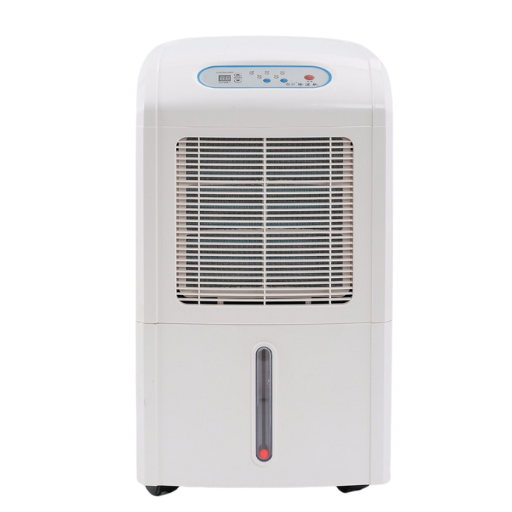
A dehumidifier that uses refrigerant to remove humidity, also called a condenser-based dehumidifier, pulls in moist air and blows it across cold coils where the air temperature is reduced below its dew point. This process causes the moisture to condense into water, collected and drained, while dry air is reheated and circulated back into the room. These devices are handy for reducing humidity under high ambient temperatures and humidity levels. Consequently, this article will discuss how refrigerant dehumidifiers work, their efficiency, advantages, and proper use cases to understand why they are preferred in managing indoor humidity.
What problems can high humidity cause?
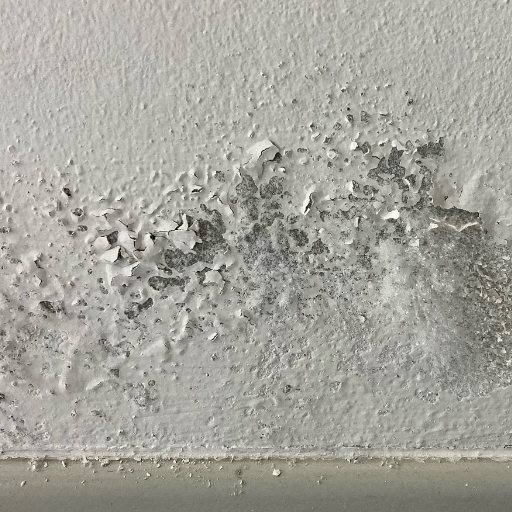
Several problems can result from high humidity in the air, impacting the structural integrity of a building and the health of its occupants. When there is too much moisture in the atmosphere, it encourages mold growth, which destroys not only walls and ceilings but also furniture and makes breathing inside the house difficult, thereby causing allergic conditions and respiratory ailments. Moreover, increased relative humidity may lead to condensation on windows and walls over time, resulting in water damage and material decay. This excess moisture also interferes with efficient cooling systems, leading to higher energy consumption and running expenses.
Health Risks Associated with Excess Humidity
Indoor air quality gets severely compromised by excess moisture, leading to increased cases of asthma, bronchitis, and other allergy-related reactions. The prevalence of such health issues is triggered or worsened by dust mites or mold spores that grow suitable under high relative humidity (RH) levels above 60%. The proliferation of bacteria and viruses is promoted by elevated indoor humidity, which increases the chances of infections. There have been findings suggesting that keeping indoor relative humidity between 30% -50% can help minimize the effects caused by microbial growth and associated diseases among humans. At the same time, high humidity levels encourage volatile organic compound (VOC) concentrations where irritation might occur on their eyes, nose, or throat while they suffer long-term effects. For this reason alone, regulation of indoor moisture content greatly reduces these case scenarios among people living there, hence creating healthier homes.
Structural Damage to Buildings
High levels of humidity are disastrous for buildings. Building materials like wood frames deteriorate due to constant absorption, thus making them weak after long periods of exposure to higher humidity levels than normal. Moisture contents above 20% cause wood degradation according to technical parameters used during construction. This level will serve as a breeding ground for fungi, including mildew, further weakening the structural integrity with time. Additionally, moisture moving through masonry products like brick or concrete can lead to efflorescence, where soluble salts are deposited on surfaces and then evaporate. Consequently, unsightly stains disfigure it, weakening the material matrix over a long period.
It also affects a building’s mechanical systems and electrical appliances. Any metallic part in the electrical system that gets damp due to humidity may experience a shorter lifespan or corrosion due to the formation of short circuits caused by metals reacting with water. When there is extra moisture load in HVAC systems, their efficiency level decreases resulting in higher operation costs and reduced life cycle for such equipment. To maintain proper working of electronic and mechanical devices specified by ASHRAE standards, indoor RH (relative humidity) levels should be set between 30%-60%. Therefore, monitoring and controlling indoor humidity levels is vital for effective building maintenance and running.
Electronics and Appliances Impacted.
Electronics and appliances are significantly affected if humidity exceeds 60% RH. Furthermore, elevated water vapour in the atmosphere creates a condition where circuit boards get condensation or enclosures, leading to possible short circuits, corrosion of metallic parts, and gradual decay of the internal materials. Furthermore, moisture quickens the oxidation process on metallic contacts and connections, which can greatly decrease the lifespan of electronics and kitchen machines.
Moreover, repeated cycles of condensation and evaporation cause by temperature variations can worsen these issues thereby making them expand and contract. a suitable working humidity range for many electronic devices is between 30% – 50% RH as per industry standards. Anything beyond this may affect the stability and performance of delicate components such as microchips or capacitors. This means that implementing dehumidification systems together with adequate ventilation is crucial for maintaining these proper conditions to ensure long life span and reliability of electronic systems in any building environment.
Methods to Address Humidity Issues
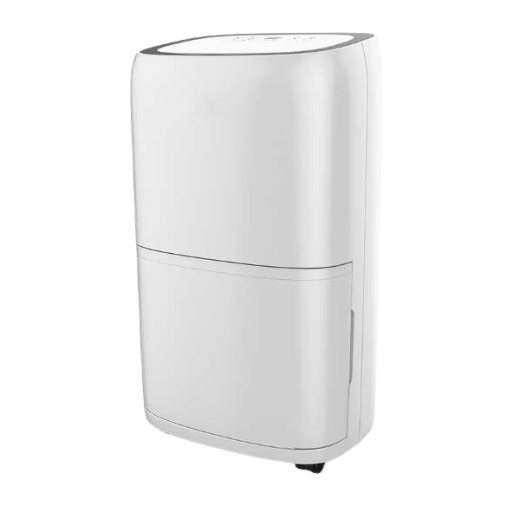
There are several ways to solve the problem of dampness in buildings. A primary way is to use dehumidifiers. These gadgets are specifically designed to remove moisture from the air and maintain a comfortable relative humidity level. Dehumidifiers come in different sizes and shapes to suit various locations, including small households and large industries.
Another option is improving natural ventilation through placing windows and vents in certain strategic parts to enhance airflow. Within this approach, moist indoor air is replaced with drier outdoor air whereby humidity levels drop significantly. More so, mechanical ventilation systems like exhaust fans and whole-house ventilation units can control internal moisture by providing a continuous controlled inflow of fresh external air.
Air conditioning systems also act as coolants while removing moisture from the atmosphere. Modern-day air conditioners have features that facilitate efficient management of humidity levels while ensuring that temperatures remain comfortable. By adopting these techniques, one manages humidity and helps ensure a cleaner room environment by saving on extra water risks such as the molding process, structural weakness, or decaying equipment used in houses.
Natural Ventilation
Humidity can be effectively addressed through natural ventilation, which replaces inside air with outside air. This can be done through strategically placed openings such as windows, vents, or louvers, allowing free air movement into the building. When humid indoor air leaves via open areas and is replaced by dry external ones, it helps maintain the right moisture concentration indoors. It has been discovered that adequate ventilation prevents moisture accumulation within buildings, averting mold formation and weakening supporting structures [1]. Alternatively, combining solar chimneys or wind catchers ensures uniform controlled flow throughout an edifice and enhances its effectiveness if linked with a natural ventilation system.
Use of Desiccants and Absorbers
Using desiccants and absorbers is a suitable solution for controlling high humidity levels indoors due to their ability to extract excessive moisture from the air. Desiccants like silica gel, activated charcoal, and calcium chloride are available in sachets, cans, or even as part of buildings to trap moisture. They operate through adsorption, whereby water molecules stick to their surfaces. This is especially useful in small enclosed spaces such as closets, pantries and storage areas where conventional ventilation might be insufficient. Using absorbers mitigates moisture-related issues such as mold growth and musty odors and protects sensitive items from damage caused by high humidity levels. By strategically positioning desiccants and absorbers at identified trouble spots, it is possible to maintain a balanced humidity level, thus promoting a healthier environment for people indoors.
Advantages of using a dehumidifier
A dehumidifier offers various distinct advantages over natural ventilation and desiccants. Dehumidifiers can provide constant and automatic control over indoor humidity rates, making them efficient and low maintenance. This contrasts with natural ventilation that solely depends on the weather outside and, therefore, is inconsistent in occurrence. At the same time, dehumidifiers improve the situation by offering suitable moisture regulation regardless of the external conditions. Also, they can cover bigger spaces faster than desiccants, which are usually restricted to small, confined locations requiring frequent replacement or servicing. Dehumidifiers also help in enhancing total quality of air inside rooms by reducing allergens such as dust mites and molds that survive well in excessive moisture levels, thus people living with respiratory problems live healthier lives here. On the whole, dehumidifiers offer a dependable, economical and workable option to ensure that proper internal humidity levels are maintained so that comfort is enhanced while health is protected along with integrity of various indoor spaces.
How Refrigerant Dehumidifiers Work
It draws moist air in through a fan and passes it over cold refrigerant coils. As cooling occurs, the moisture turns into water which is then collected in a container or drained out. This slightly warmed, already dehumidified air is then reheated to normal temperature and released back into the room. In this way, it reduces the humidity in indoor environments. These are efficient machines, especially when operated at higher temperatures, as they can quickly remove large amounts of water, making them suitable for residential and commercial purposes. It is important to regularly maintain these machines by cleaning the coils and emptying the water tank to achieve reliable performance.
Key Components Explained
- Compressor: The heart of refrigerant dehumidifiers is the compressor, which helps pump refrigerant through the system. It compresses gas, turning it into high-temperature/high-pressure fluid while running through coil pipe. The compressor plays an essential role in ensuring that the whole dehumidification procedure runs efficiently without any breakdowns.
- Refrigerant Coils: These are heat exchange elements of a dehumidifier unit that help in its cooling and heating processes, respectively. The evaporator coil, otherwise referred to as the cool coil, cools down incoming humid air, thereby leading to moisture condensation. On the other hand, the condenser coil, also called the hot coil, reheats this air back to its initial state before being discharged back to the room atmosphere.
- Fan: Dehumidifiers use fans for proper air circulation throughout their systems. They pull humid air from the room towards refrigerant coils, where it gets blown across. Therefore, efficient ventilation depends on good fans, which contribute greatly to the overall performance of these appliances.
- Water Collection Tank/Drainage System: During this process, condensing moisture may accumulate within an internal tank or get directed away using some drainage means. Some dehumidifiers are equipped with an auto-drain function; hence, they do not require emptying manually. This part should be regularly serviced to prevent the emergence of mildew and facilitate smooth operation.
- Humidistat: This is a control device for dehumidifiers that monitors the relative humidity within a space. It has an adjustable set-point, which can shut off or on the unit based on these conditions automatically, ensuring energy savings and user comfort. Thus, it increases energy savings and user convenience.
- Filters: The filters are meant to purify the air by trapping dust particles, allergens, and other contaminants before they pass through the coils. Filters that are regularly replaced or cleaned and of good quality enhance air quality while protecting inner parts from damage to ensure the efficient operation of the dehumidifier.
- Defrost Control: In low-temperature environments, ice may form on the evaporating coil, freezing its functionality instantly. The defrost control mechanism identifies frost accumulation, leading to temporary heating of this coil to allow the melting of ice over it. This fosters continuous operation in a wide ambient range of temperatures.
The Refrigeration Cycle in Dehumidification
Refrigeration in dehumidification is a closed-loop system that involves a compressor, condenser, expansion valve, and an evaporator. The dehumidifier pulls in air containing moisture content which then moves over the evaporator coils. These are filled with cold refrigerant to cool down the air until it reaches the dew point, which makes water vapor condense into liquid form. The air is now dehumidified after passing over the condenser coils it gets reheated before being expelled back into the room. The condensed water can be collected in a tank or channeled to a drainage system. The refrigerant proceeds to the compressor, which becomes pressurized and finally goes to the condenser to release heat absorbed from air currents. This continuous cycle efficiently maintains humidity levels within occupied spaces by extracting moistures from them.
Key Features of Refrigerant Dehumidifiers
Also known as compressor-based dehumidifiers, refrigerant dehumidifiers are famous for their effectiveness in removing moisture from air, especially during hot and humid weather conditions. They use the cooling process which makes the air temperature go below its dew point to condense moisture; this ensures that they can be very efficient in sustaining desired humidity levels. Refrigerant models consume less energy than other types, such as desiccant dehumidifiers, making them cost-effective for long-term use. Moreover, they come with different capacities to cater for different spaces. They have features like adjustable humidistat, automatic shut-off when the water tank is full, and continuous-drainage options. However, their performance might decline at low temperatures due to frost accumulation, requiring a defrost cycle to function properly.
Efficiency and Moisture Removal Rate
The efficiency of refrigerant dehumidifiers highly depends on how fast they remove moisture; hence, it is often measured in terms of daily pints (PPD). The capacity of these units is so large that it can remove up to 50-70 PPD thereby controlling the humidity effectively even over a large area or in some parts where there is high moisture. Energy consumption scales with the unit’s capacity and operational settings whereby more advanced models have Energy Star certification which helps ensure that the product will work efficiently while consuming minimal power. In addition, these devices are also integrated with advanced sensors and smart controls that enable them to adapt to room conditions, saving energy by increasing water-extraction efficiency.
Energy Consumption and Noise Levels
Energy consumption by refrigerant dehumidifiers directly depends on their size and functioning environment. High-capacity systems naturally consume more electricity, but they also do a good job drying bigger spaces afterwards. It is worth mentioning that many energy-efficient appliances have an Energy Star logo on them, meaning that they differ from standard units by not less than 15% in terms of power consumed. Operating costs can be further reduced by choosing dehumidifiers with programmable timers and smart sensors that allow for automatic regulation based on current humidity levels.
Dealing with noise levels is another essential factor when selecting a dehumidifier. Contemporary units are equipped with different noise-reducing technologies, implying quieter operation. Noise ratings are usually measured in decibels (dB), with residential models rated between 50 and 60 dB, corresponding to a normal conversation level. One should choose the one with a lower noise rating so as to minimize disruptions, especially in living rooms or bed rooms.
In summary, it is important to weigh energy consumption and noise levels against the dehumidifier’s efficiency and size requirements to obtain greater performance and comfort.
Size, Capacity, and Portability
Size and capacity are key factors when evaluating dehumidifiers. To provide this, capacity refers to how many pints per day (ppd) it will remove over twenty-four hours. Choosing the right capacity entails assessing room size and moisture content. For example, a 30-50 ppt unit would generally be appropriate for small-to-medium spaces, while highly humid places or large rooms may want a 50-70 ppt model.
Portability is also key, especially if the dehumidifier will be moved between different rooms or floors. These come up with designs like casters that move easily on various floors, comfortable handles, and lightweight construction that can simplify their movement from one point to another. Compact portable humidifiers would be preferable in smaller spaces where localized wetness issues exist since they offer convenience without compromising functionality.
The market’s prominent models have user-friendly designs that make them easy to carry and install. This feature set, which includes a suitable size, enough space, and improved movability, ensures that modern dehumidifiers efficiently and effectively meet diverse needs.
Comparing Refrigerant Dehumidifiers with Other Types
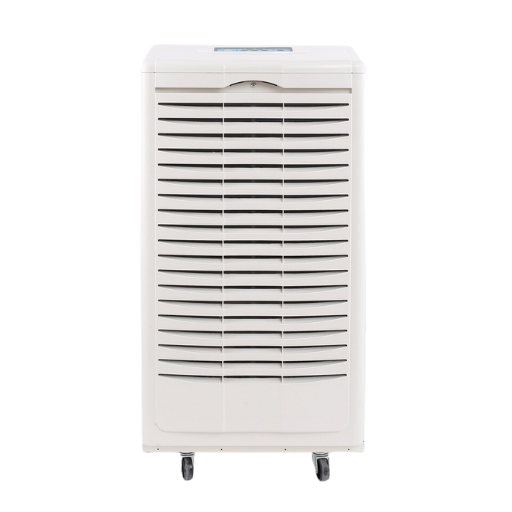
Dehumidifiers that use refrigerants are called compressor dehumidifiers because they cool the air to condense moisture, reducing humidity. They work well in warm climates and can remove much moisture daily. They are mostly efficient in maintaining uniform humidity levels and are long-lasting.
However, desiccant-based dehumidifiers make use of a hygroscopic substance that attracts water. These work well even under cold conditions because temperature variations do not affect their performance. Desiccant dehumidifiers tend to have lower decibel levels and weigh less than others, making them better for small spaces or places requiring noise abatement techniques.
The Peltier effect is the principle behind how thermo-electric dehumidifiers operate; they remove moisture from the air. Less powerful than refrigerant models in extracting moisture, these units are compact, energy-conservative, and nearly silent during operation. They find suitable applications when minimal space is involved or moderate humidity control is needed without high-capacity extraction.
Ultimately, specific factors such as room size, temperature conditions, and personal preference on noise will determine which type to go for. While refrigerant dehumidifiers perform well in large spaces with higher temperatures, desiccant models can be used anywhere and thermo-electric unit provide solutions that save on energy through their portability.
Refrigerant Dehumidifiers vs Desiccant Dehumidifiers
Refrigerant dehumidifiers have some suitable operating environments when the temperature goes beyond 60°F (15.6°C). In warm climates with high humidity, these appliances are known for having high rates of moisture extraction, which typically fall between 50 and 70 pints per day. This attribute makes them more economical with electricity since they cool air as part of taking out its moisture content. Refrigerant-based dehumidifiers compress air using a compressor and then pass it over a cooling element that condenses the water in the air. This is drained into a collection container or directed out using a tube.
On the other hand, desiccant-based dehumidifiers perform well at lower temperatures starting from around 32°F (0°C). They use desiccating substances like silica gel to soak up any moisture. Although this means that they have less extraction capability of about 10 pints to 20 pints per day, it enables them to work well with different temperature ranges. Desiccant dehumidifiers are lightweight and run silently because they lack compressors making them suitable for small spaces or rooms that require minimum noise penetration.
These include but are not limited to:
- Operating Temperature Range:
- Refrigerant Dehumidifiers: suitable above 60°F (15.6°C).
- Desiccant Dehumidifiers: Effective at temperatures starting from n32°F (0°C).
- Moisture Extraction Rate:
- Refrigerant Dehumidifiers: Typically between 50 and 70 pints per day.
- Desiccant Dehumidifiers: Around 10 to 20 pints each day on average.
- Noise Levels:
- Refrigerant Dehumidifiers: Mostly louder as opposed to those ones encompassed by compressors.
- Desiccant Dehumidifiers: Quieter thus suited for quiet environments.
- Energy Efficiency:
- Refrigerant Dehumidifiers: These save more energy if used in warm conditions.
- Desiccant Dehumidifiers: Lesser power consumption over all heaters across wider temperature range.
Refrigerant vs Thermo-Electric De-humidifier
Operating Principle:
- Refrigerant Dehumidifiers: It works by using a compressor and refrigerant to cool a metal coil, in turn, leading to condensation of moisture on the coil which drips into a collection tank.
- Thermoelectric Dehumidifiers: These use a thermoelectric plate to leverage the Peltier effect and create a temperature deviation. The former cools one side of the plate, causing moisture condensation, which is then collected in a tank.
Moisture Extraction Rate:
- Refrigerant Dehumidifiers typically give high humidity extraction rates, 30-70 pints per day, making them suitable for larger areas with higher humidity.
- Thermoelectric Dehumidifiers: These are available in lower extraction rates, usually about 1 to 20 pints per day, appropriate for small places and less severe humidity-related problems.
Energy Efficiency:
- Refrigerant Dehumidifiers Are more energy efficient in warm, humid conditions because they extract more water for the same power usage.
- Thermoelectric Dehumidifiers: Although they are not energy efficient when humidity is high like refrigerant models, they are nonetheless cost-effective where large spaces do not need dry air quality.
Noise Levels:
- Refrigerant Dehumidifiers: Usually noisier due to compressor and fan operation.
- Thermoelectric Dehumidifiers do not have moving parts such as compressors, so they are very quiet and suitable for bedrooms or offices where noise-sensitive operation is needed.
Temperature Range:
- Refrigerant dehumidifiers operate effectively above 60°F (15°C).
- Thermoelectric dehumidifiers work well across a wide range of temperatures but perform poorly in larger spaces with high humidity levels.
In conclusion, the choice between refrigerant and thermoelectric dehumidifiers depends on specific environmental conditions and requirements. Refrigerant models are preferred for large areas that require a high-performance dehumidifier, while thermoelectric dehumidifiers provide quiet and low-maintenance solutions for less humid small spaces.
Choosing the Right Dehumidifier for Your Needs
To start selecting the right dehumidifier, it is important to determine the area’s size and humidity level. Refrigerant dehumidifiers are generally advised for larger places such as basements or living rooms where there is high humidity. They should have a higher extraction rate, which is usually measured in pints per day (PPD), and be energy-star rated.
It would be better to use thermoelectric dehumidifiers for small rooms or those needing silent operation like office or bedroom applications. These often come with lower PPD count but efficiently maintain moisture content within confined spaces. Critical technical parameters necessary for thermoelectric units specifically include power consumption (Wattage), noise level (db), and proper operating temperature range usually 33°F – 77°F (1°C-25°C).
Furthermore, adjustable humidity settings, automatic shutoff, and built-in hygrometers can also improve overall usability and effectiveness of the device. This way, by aligning these specifications with your environmental needs, you will select the high-performing and energy-efficient de-humidifying option.
Practical Applications of Refrigerant Dehumidifiers
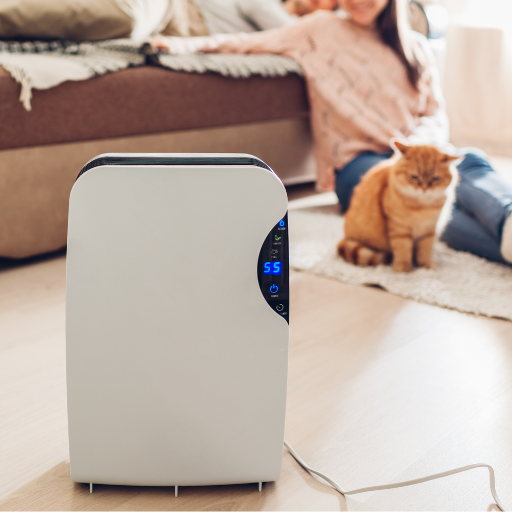
Dehumidifiers that utilize refrigerant as a coolant are very effective in areas with high humidity, such as basements, crawl spaces and other places that are likely to be damp. These gadgets are suitable for many home applications, especially during warm weather over 65°F. There are also industrial and commercial refrigerant dehumidifiers utilized in water damage restoration where moisture is needed to be eliminated quickly to prevent mold growth and decay of materials. They can also maintain the right level of humidity within storage rooms, warehouses, or archives, hence preventing those goods that are damaged by moisture from happening. Their powerful moisture removal capabilities make them suitable choices for large-scale dehumidification, thus offering a dry, controlled environment.
Residential Uses and Benefits
The use of refrigerant dehumidifiers has several merits within residential settings. In this regard, they effectively reduce humidity levels, thereby reducing the likelihood of the formation of molds and improving air quality indoors. This reduces problems associated with allergies and breathing difficulties like asthma that emerge due to high dampness levels. Lowering the amount of moisture helps prevent wooden rotting and paint corrosion, among other related structural damages within the houses. The energy efficiency of modern dehumidifiers using refrigerants enables individuals to enjoy healthy living conditions without necessarily having to pay much more electricity bills they cannot afford. Moreover, there exist many versions that have programmable timers, continuous drainage options, and smart home integration, hence making them easy to operate while utilizing them.
Industrial and Commercial Applications
In these industrial environments, therefore, commercial buildings, refrigerant dehumidifiers is inevitable because they efficiently remove large amounts of moisture at any given time. The size of these machines is usually indicated in pints per day, demonstrating how much water one machine can extract from the air over 24 24-hour’ period. For example, industrial-grade dehumidification units may take out 50-250 pints of moisture daily, depending on model type and environmental conditions. Others are made to perform special purposes such as drying homes, in which case it is critical for the process to be done rapidly to avoid the growth of molds that damage a house.
Commercial dehumidifiers often have powerful compressors, large coils, and other features like automatic humidity control, hefty construction, and easy mobility for convenience. For instance, manufacturing environments require constant humidity levels for various processes, so these devices are mainly utilized. Such cases usually involve electronics, as used by data centers, where excess moisture damages or destroys them completely.
Airflow rate is a major technical parameter of commercial dehumidifiers measured in cubic feet per minute (cfm) ranging from around 150 cfm in smaller units to over 600 cfm in larger models. This ensures effective air circulation and extraction of moisture. Another important parameter is the operating temperature range; commercial units can work effectively within environments as cold as -18°C up to 38°C, thereby enhancing flexibility among diverse applications. Furthermore, these include strong drainage systems like integrated pumps or gravity drainage, thus enabling them to run uninterrupted and reducing chances of manual interruptions now and then.
The use of refrigerant dehumidifiers in industrial/commercial spaces is primarily motivated by their ability to maintain the right level of humidity, which offers operational efficiency and preserves sensitive materials and equipment.
Special Conditions and Circumstances
Commercial dehumidifiers are needed in certain specialized situations to meet strict humidity control standards. For example, within the pharmaceutical industry, proper humidity levels are vital to ensuring the stability and efficacy of drugs. Dehumidification units that work in such conditions must be capable of running at humidity levels mostly below 40% RH (relative humidity). Typically, these appliances encompass sophisticated command systems and high-efficiency particulate air (HEPA) filters to avoid pollution.
Excessive moisture can quickly degrade artwork, manuscripts, and historical documents in museums and archives. In such cases, the dehumidifiers should be capable of performing steadily with narrow range enhancement, often at 45% RH and 70°F. A noise-free unit is a key aspect among those designed for this kind of use so as not to cause any disruption within a silent room.
Additionally, there are agricultural applications where commercial dehumidifiers play a major role, particularly in post-harvest processing and storage. One example is tobacco curing, which requires relative humidity between 65% and 70%. These spaces require units that have higher airflow rates and strong dust filters to limit particle accumulation.


