
Current location:Home > Blog > Dehumidifier Blog
Portable Commercial Dehumidifiers
Read Count:9 Update Time:2026-10-08 03:36:03
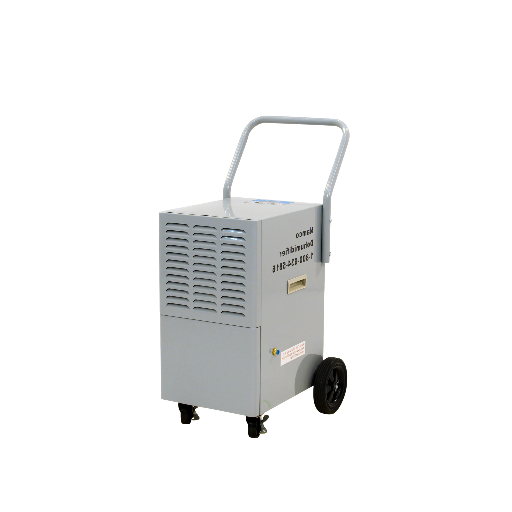
Portable commercial dehumidifiers are critical in areas where moisture control is vital, such as construction sites, warehouses, or areas prone to dampness. For this reason, this complete guide will take you through different characteristics and specifications when choosing the right dehumidifier for your needs. We’ll discuss technical specifications that define high-performance models, explore advantages related to different configurations, and highlight some of the industry standard requirements for effective moisture control solutions. Knowing these important aspects will enable you to make a knowledgeable decision that improves air quality, safeguards assets, and prevents damages caused by too much humidity.
What is a Portable Commercial Dehumidifier?
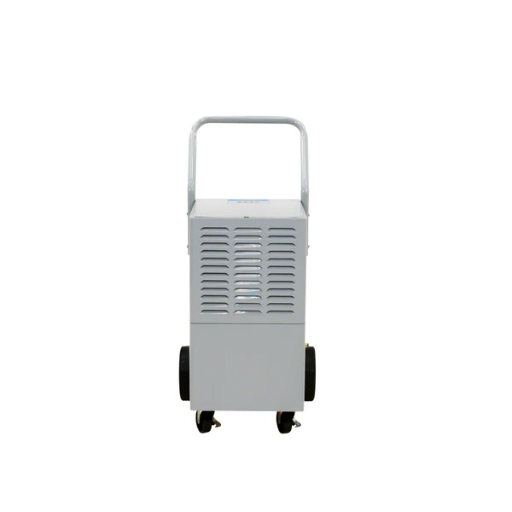
(Portable commercial dehumidifier)
How does a dehumidifier work?
A portable commercial dehumidifier works on the principle of condensation, using a refrigeration cycle to remove moisture from the air. When turned on, it pulls humid air in through filters and over cold evaporator coils. As the air cools, its ability to hold moisture drops, and condensation forms on the coils. This water is collected in a reservoir or drained off via a connected hose while reheating dehumidified air, which then gets released back into the environment. The effectiveness with which this happens depends on factors like the capacity of the device used and airflow rate, among others, thus ensuring proper humidity control under different circumstances.
Benefits of Using Portable Dehumidifiers
Many advantages are associated with using portable dehumidifiers, especially when humidity management is needed in commercial or residential buildings. Below are some key benefits along with corresponding technical parameters:
- Better Air Quality: Portable dehumidifiers reduce dampness effectively, thus preventing mold growth since these fungi thrive well in moist habitats. It has been observed that keeping relative humidity levels between 30% and 50% prevents this growth and enhances indoor air quality.
- Energy Saving: Many current models have energy-saving features like variable-speed fans and intelligent humidity sensors, which consume less power than traditional ones. Moreover, the typical rating is usually based on how much moisture can be extracted within twenty-four hours.
- Flexibility and Portability: Their ability to be moved easily from one place to another makes them very useful, especially in large spaces with variations in moisture content across different zones or rooms within the same building. This ensures that all areas are adequately covered.
- Prevention of Structural Damage: High dampness levels can lead to various problems, such as warping wood or even spoiling insulation materials used for buildings. Therefore, maintaining recommended ranges according to industry standards safeguards investments made in construction activities.
- Comfort Enhancement: Lowering humidity levels contributes to better thermal comfort because when they are regulated,air conditioners work more effectively, thereby achieving uniform temperature control throughout rooms. Users may feel a decrease in heat intensity caused by moisture from the surrounding environment.
These benefits are further explained in relation to their technical aspects, thus enabling people to make choices that will improve their living space and ensure efficient resource utilization as they manage different properties.
What I look for in a commercial-grade dehumidifier
When deciding which commercial-grade dehumidifier to buy, I consider several key features. These features are based on insights from some prominent sources in this industry. Firstly, the extraction capacity is very important; I prefer machines with higher pints per day rating as it ensures faster moisture removal from the air. Secondly, energy efficiency matters a lot to me; therefore, any model with an Energy Star label will be given priority since it offers greater performance while saving on power bills. Additionally, I like advanced controls for humidity levels, such as built-in humidistats and smart sensors that can automatically adjust themselves, thus maintaining constant indoor relative humidity throughout different seasons of the year.
Furthermore, sturdiness and good workmanship matter so much; therefore, when purchasing these gadgets, one should go for those made using strong materials resistant to corrosion because they need to withstand harsh conditions found within large-scale businesses where they are usually employed. Also, portability is another thing that cannot be overlooked; hence, I would always lean more towards those units with wheels or handles so that it becomes easy to move them around various places. Last but not least, comprehensive warranties coupled with dependable customer support form part of my checklist, too, since they give peace of mind and serve as backup during continuous servicing and repairing demands. By following these guidelines DEHUMIDIFIERS may well meet their full potential by our commercial needs.
How to Choose the right Commercial Dehumidifier?
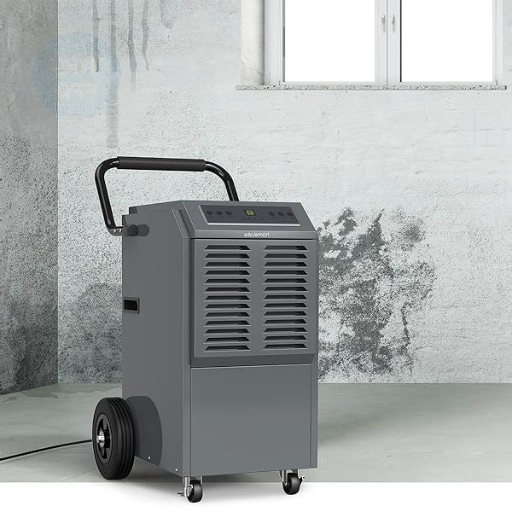
(Portable commercial dehumidifier)
Comprehending pints each day (ppd) and also reducing ability
To evaluate a commercial dehumidifier’s removal capability, I always look at the measurement of pints per day (PPD) because it is a basic indicator. This shows how many gallons of water can be removed from air under certain conditions, usually at 80°F and 60% relative humidity. I usually ensure that my dehumidifiers have ratings that match the sizes or levels of humidity in spaces where they will be used.
Looking through a suitable three websites in this industry worldwide, I found that higher ppd rates are associated with better performance when dealing with moisture control, especially for larger or more humid areas. Practically speaking, among commercial environments ranging from small offices to big warehouses, it turns out that dehumidifiers rated between seventy and one hundred thirty pints per day are very effective. With such capacities, there is enough drying power while still maintaining healthy indoor air quality, thus preventing mold growth, which could compromise assets’ structural stability within any given premise.
Regarding area and sq ft
I need to know how much space a commercial dehumidifier can cover. This is important as it directly affects performance and efficiency. To test a dehumidifier’s efficiency, one should find out the total square footage of the area that needs to be treated by measuring the length and width of each room plus any large adjacent areas. For instance, if my warehouse is 100 feet long and 50 feet wide, its total area will be 5,000 square feet.
To ensure that this coverage area matches its capacity, I usually look at manufacturer recommendations stating that there should be a particular PPD rating per square foot for proper moisture control. A dehumidification system can cover between 1,000-2,500sqft under normal conditions while rating 70-130 PPD according to industry standards. Therefore, considering this information, it means that in my case, where I have about five thousand square foot warehouse space, I need such kind of an appliance whose PPD rate can cater to all those dampness amounts across such a large region. This way helps me create an environment with controlled levels of wetness, protecting my valuables from being damaged by things like rotting or growing molds due to high humidity.
Considering bucket capacity evaluation and pump and drain hose options
When choosing the right commercial dehumidifier for my needs, I should evaluate the bucket capacity related to continuous moisture extraction management. Many units come with their built-in buckets that collect water from the air in the form of condensate, and understanding how much they hold is key to keeping them running. These buckets usually have to be emptied manually after filling up with between ten and twenty pints of liquid. For example, if the humidity is very high in my five thousand square foot warehouse, I will need a machine with a bigger tank—preferably one that can hold at least twenty pints—to minimize how often I have to empty it.
Another thing I look at is what kind of pumps or hoses are available for removing excess water easily. A lot of newer models have pumps which can push condensation out through vertical or horizontal drain pipes into nearby floor drains or sinks. This comes in handy when dealing with larger areas where having someone constantly emptying buckets might lead to other inefficiencies within operations. In my situation, there’s a drain about twenty feet away from where it would be installed, so all I’d need is an appropriately sized hose long enough to reach without any kinks along its length, ensuring smooth flow throughout; typically, these hoses should be between three-eighths and half an inch wide according to manufacturer recommendations but must not leak when connected securely otherwise causing inconvenience during use. I must carefully consider these aspects to select a dehumidifier that will effectively control moisture levels without disrupting business activities at my place of work.
Brands of Commercial and Industrial Dehumidifiers
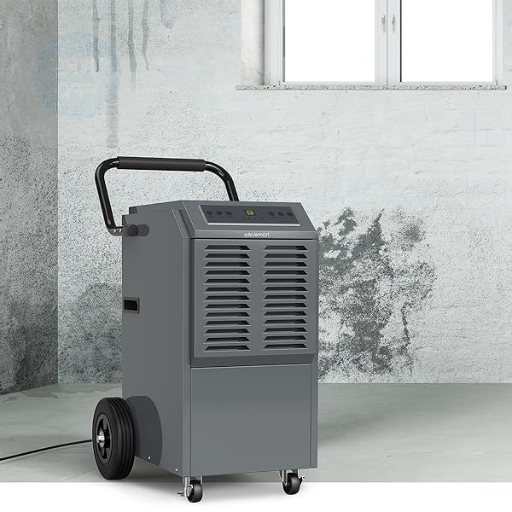
(Portable commercial dehumidifier)
Among the different models of this brand, the Ultra series is known for its strong performance in high-humidity areas. These machines usually have large bucket capacities as well as built-in pumps or reliable gravity drains, thus making them more versatile in various settings.
One good thing about these devices is that they can work continuously and remove moisture from the air effectively at the same time; hence, they are suitable for use in basements, warehouses, or even during flood restoration processes. Additionally, many models are designed to be easy to use with quiet operation levels so that one does not get disturbed using them. Moreover, their robustness makes them withstand tough conditions, becoming a trusted name in the industry. Generally speaking, when choosing a dehumidifier unit, I find Alorairs’ combination of performance plus practicality sets it apart from other competitors available today.
What makes these appliances unique is that they have built-in high-efficiency air filters capable not only of purging water from the atmosphere but also of capturing dust particles, allergens, and other impurities present in it.
Also worth mentioning is its portability feature; hence, it can be moved easily between different worksites due to heavy-duty wheels attached at the bottom together with handles. Apart from this convenience aspect, durability is associated with this brand because they are made up of strong materials, so even after frequent use during flood restoration projects or construction sites where large-scale drying might be required, it will still last longer than expected. In summary, all these points make Dri-size dehumidifiers a preferred choice among other competitors when dealing with moisture problems either at home or in office space.
First off, these dehumidifiers are known far and wide as being energy efficient, which can greatly reduce operations costs while still getting rid of more dampness than any other type of dehumidifier available today. They employ some of the latest technology, like advanced dual-fan systems, which allow them to achieve a suitable airflow possible even in places where there is too much humidity.
Also, their digital controls are easy to use and provide accurate humidity level settings together with convenient tracking of operational data. The design itself shows how practical these things are – it’s stackable so that it takes up less space during storage but doesn’t sacrifice its power or effectiveness either! Altogether, these features should be enough for anyone who needs reliable and efficient ways to deal with moisture problems.
Specific Uses of Portable Commercial Dehumidifiers
(Portable commercial dehumidifier)
Dehumidifiers for Water Damage Repair
I believe reliable dehumidifiers for water damage repair are those with high extraction rates and advanced moisture control features. For instance, The above-mentioned device can remove up to 80 pints of liquid per day, thus making it suitable, especially if you have large volumes that need drying out quickly to prevent further destruction from happening due to stagnant water … Additionally, another good thing about them is they do not consume a lot power energy but still work efficiently.
Choosing a Dehumidifier for Your Basement or Crawl Space
When picking a dehumidifier for my basement or crawl space, I consider several things to ensure it will work well and save energy. First, I measure the square footage of my room and the humidity level inside. To illustrate, if the area of your house reaches 2000 sqft with extreme dampness, then go for machines that can hold up to 70 pints per day.
Quietness is another aspect you may want to consider since some people live next door to their basements; therefore, quieter units will not disturb them much during use. By following these steps in selecting a dehumidifier that matches closely with what my space needs greatly, I have achieved maximum moisture control effectiveness while keeping energy bills low.
Using dehumidifiers in large rooms and warehouses
Because of their vast sizes and unique environmental conditions, it is necessary to go about installing dehumidifiers in large spaces such as halls and stores systematically. I normally measure the area by taking the length or breadth, but not limited to ceiling height, which usually affects air moisture levels significantly before anything else. For bigger rooms that surpass 3000 square feet, machines with higher capacity (90-150 pints per day) are recommended.
In warehouses larger than 5k sqft used for storing sensitive materials or equipment, keeping relative humidity below 50% is crucial to prevent damage due to moisture intrusion. In my recent job at a warehouse covering this footage where there was always wetness leading to corrosion of items kept there; I had to fix two powerful commercial dehumidifiers each rated at 130 pint per day so as achieve an average decrease from 70% down until it reached 45% within three days which greatly helped in dealing with excess dampness problems.
Another thing that I put into consideration when dealing with these expansive areas is how air moves around them. It would be suitable to strategically place your dryer where they can work properly by using available openings through which air can easily flow. Moreover, using sensors that detect wetness content in the surrounding environment has proved quite helpful over time since it helps me regulate my machine’s activity depending on current readings obtained from those devices, hence making it more efficient while saving power too; for instance, instead of setting them at fixed speeds throughout regardless of demand, I set them according real-time need basis after monitoring humidity levels continuously using these gadgets. Thus, taking accurate measurements, appropriate siting, and continuous tracking of moisture changes within these spaces ensures success in drying large areas with minimal energy wastage.
Maintenance and Care for Your Commercial Grade Dehumidifier
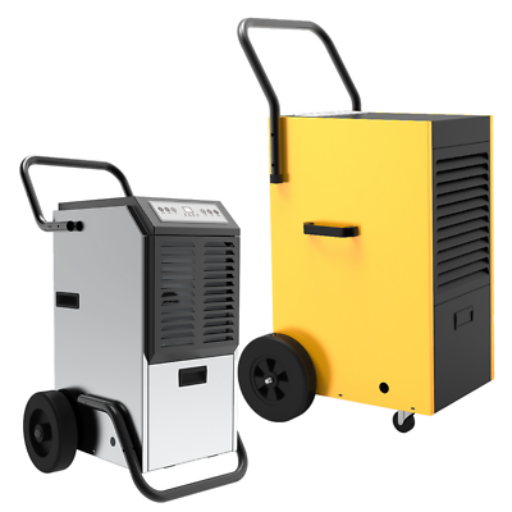
(Portable commercial dehumidifier)
Tips for regular cleaning and changing filters
Keeping a commercial-grade dehumidifier in good condition is important if you want it to work properly for a long time. I have developed a routine of cleaning and changing the filter often based on what I have learned from prominent professionals in the industry. Here are some tips that I can give you:
- Frequency of Cleaning: I suggest cleaning your dehumidifier every month or two, depending on how frequently it is used and the surrounding conditions. If too much dust or dirt collects on its surface, this might impede reliable performance. Regularly clean it so that there is no blockage on the evaporator or condenser coil, which increases power consumption and reduces moisture removal capacity.
- Filter Replacement: Commercial units usually require filters to be replaced every 3-6 months although this may vary according to specific operational environments such as dusty areas or periods with high humidity when they need replacement more often than usual. Keeping these filters clean improves airflow, thereby enhancing overall functionality; some models come with HEPA filters, which capture more airborne particles, thus necessitating frequent checkups.
- Steps of Cleaning: Before anything else, turn off the device and unplug it from the electrical supply sockets. Then, use warm, soapy water mixed with a mild detergent solution, applied on a soft cloth or sponge, wrung out properly, and moisten external surfaces before wiping them dry. Dust off all internal components gently using either an appropriate-sized brush attachment fitted onto a vacuum cleaner or a soft bristle brush, keeping away from delicate parts that could be damaged by strong suction such as electronic circuitry boards etcetera ensuring thorough rinsing thereafter; pay particular attention to clearing drain pan completely besides checking for any obstructions along drain line since clogging leads to accumulation of water causing potential harm.
- Technical Specifications:
Such maintenance practices and awareness of these technical parameters ensure the greater performance of any given commercial-grade dehumidifier, thus creating sustainable large-scale moisture control environments.
Common issues troubleshooting
Whenever I encounter common commercial dehumidifier problems, I follow a systematic approach that allows me to identify and solve them quickly.
- Failure to Collect Water: If the dehumidifier fails to remove moisture, I first check whether the humidity settings have been properly set. I also inspect where the unit has been placed; it should not be blocked by furniture or walls because this will restrict airflow around it. Additionally, filters require replacement if dirty since they could clog, thus considerably reducing efficiency.
- Continuous Running Without Shutoff: When it runs continuously without shutting off even after adjusting humidity levels in an area, checking the humidistat becomes necessary because recalibrating or replacing it may be required due to malfunctioning.
- Unusual Noises or Vibrations: If the dehumidifier makes strange noises, I first check for loose parts near the fan. Placing it on a flat surface can also help reduce vibrations that might cause excessive noise.
- Water Leaks: If water starts leaking from this unit, first examine its drain pan, ensuring there are no cracks and that it has been correctly positioned. Furthermore, another significant area to look at is whether there may be some blockages or kinks along the drain line, which can hinder proper water drainage through it.
I do this to diagnose all these problems systematically, enabling my dehumidifier to achieve greater performance and thereby creating a controlled environment.
Understanding saturation and humidity control
Based on my understanding of having worked with different types of indoor environments over time, saturation and humidity control are two key concepts when dealing with such areas because failure to know them can lead to poor management practices. Relatively speaking though among other things necessary for effective management knowledge about these matters still remains essential. I define relative humidity as the measure of atmospheric moisture content compared to its maximum at that temperature while absolute humidity is defined as the actual amount of water vapor present in a given volume of air. In addition, by being aware of such terms as dew point, which refers to the minimum required for condensation, one can easily avoid situations where this process happens inside buildings, causing serious damage like mold growths or rotting wood structures. I often use dehumidifiers, which remove excess moisture from the air, thereby controlling levels within a recommended range between 30% and 50%. This prevents discomforts associated with high heat index values recorded during summer seasons, sometimes even leading to death, especially among vulnerable individuals; it also helps protect important documents from getting destroyed due to dampness caused by condensing droplets. When selecting these appliances, I consider certain things, including the size of the space being treated, current wetness condition, and features that enhance performance, thus ensuring suitable humidity balance for different areas.
Frequently Asked Questions (FAQs)
Q: What are the advantages of using a commercial dehumidifier with pump?
A: A commercial dehumidifier with a pump efficiently removes water and can be used continuously; this is useful in larger spaces and more rugged areas. The presence of an inbuilt pump allows for automatic drainage, thus minimizing the need for manual intervention.
Q: How does a crawl space dehumidifier differ from a conventional dehumidifier?
A: Unlike normal room air purifiers or humidifiers, crawl space ones are specifically designed to fit into narrow, restricted corners and generally have better moisture removal capabilities than traditional models. These appliances are also made to withstand the conditions present in crawlspaces.
Q: What is the importance of AHAM rating on commercial dehumidifiers?
A: This rating approved by the Association of Home Appliances Manufacturers (AHAM) measures how much water a dehumidifier can remove under specific conditions. This scale helps buyers compare different device units.
Q: What should I look for in a heavy-duty dehumidifier among its features?
A: Heavy-duty ones are different from others because they have high-capacity moisture removal, a built-in pump for continuous drainage, auto defrost for low-temperature operation, and a durable design for industrial or commercial environments.
Q: How does an industrial dehumidifier with a pump benefit large spaces?
A: Since it removes high levels of moisture at once, this equipment is fabricated to apply only to bigger diameter rooms; hence, there is no other function. This technique can drain water efficiently, leading to minimized downtime-related issues and less maintenance work required.
Q: How does auto defrost function in a dehumidifier?
A: The auto-defrost feature allows the device to work even at low temperatures by keeping its coils from freezing. An important point here is that it ensures continuous functioning without manual efforts directed at defrosting.
Q: Why is a compact dehumidifier beneficial for small spaces?
A: It fits in tight spaces, improving performance. These devices are designed to be easily transportable and use less energy, which makes them suitable for small areas.


