
Current location:Home > Blog > Dehumidifier Blog
Tips to Dehumidify Your Car and Get Rid of Humidity Inside
Read Count:8 Update Time:2026-10-08 02:46:28
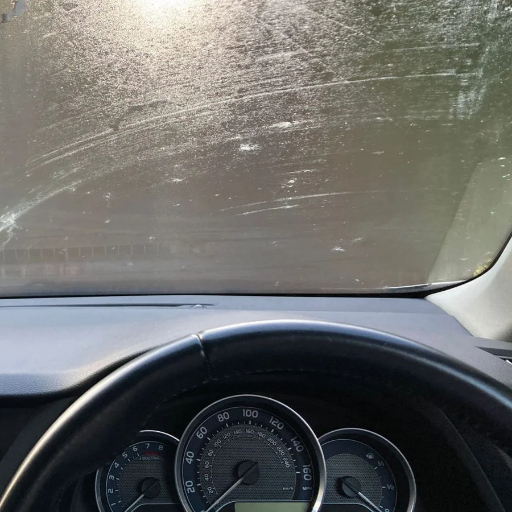
Extra moisture inside a car can cause many problems, from uncomfortable drives to mold and mildew growing in the vehicle. This report is a complete guide on how to dehumidify your car properly and have reliable conditions in the interior. Moisture accumulation can be reduced greatly by employing technical methods including but not limited to manipulation of the vehicle’s HVAC system, desiccant utilization, and environmental control. The following tips provide an insight into each method that clarifies such strategies appropriately so that you take action on them efficiently and create a drier healthier environment within your car.
Why Does Condensation Form Inside My Car?

(dehumidify car)
What Could Be Causing Condensation?
Temperature differences between the car’s interior and its windows and other colder objects are the chief causes of condensation in a vehicle. The under-listed factors are regularly catalysts for this occurrence:
- High Humidity Levels: Environmental factors such as rain, fog, or high humidity increase the moisture content in the vehicle. When any of these comes into contact with cooler surfaces, excess moisture builds up.
- Temperature Fluctuations: Instantaneous drops in temperature, mainly experienced by people living in cold areas, can cause warm air inside the car to cool down fast, resulting in window and upholstery condensation.
- Wet Items Inside the Car: Wet clothes, umbrellas, or muddy shoes can bring a lot of moisture with them. If they are not dried well, these items contribute to increased humidity levels within a vehicle.
- Poor Ventilation: Lack of sufficient airflow inside a car worsens any problem that arises because of increased humidity. When air is trapped, moisture accumulates, leading to an increased probability of condensation formation.
- Leaky Seals and Windows: Broken seals on doors; windows or sunroof allow external water to get through into the interior especially during rainy days or car washes hence making internal humidity worse.
Knowing these causes will enable one to develop effective means of dehumidification, thus maintaining a comfortable environment inside your car.
How does Humidity Impact the Inside of Car?
Humidity significantly affects what happens inside a car, primarily altering comfort levels and causing potential harm. High humidity occasions additional misting up of windows which obstructs vision and necessitates constant defogging more often than not. Long-time exposure to excessive moisture also creates conditions that favor the development of mold and mildew commonly found in upholstery and cabin filters, hence posing risks associated with health deterioration due to the degradation of inner materials. I believe that proper ventilation, use of dehumidifiers, and managing effectively by reducing discomfort and maintaining car interiors are important ways of controlling humidity levels. These issues can be mitigated through routine maintenance that includes checking the seals and improving airflow thereby reducing water buildup hence saving the appearance and practicality of a vehicle.
What Does Weather Do To The Car Windows?
The weather conditions have a major impact on the process of condensation in cars. Temperature differences between the interior and exterior of the vehicle mainly trigger condensation. Thus, in case the outside air is cooler than that inside, humid air in a car can settle on colder surfaces forming droplets. To make this clear, take into account some technical parameters below:
- Temperature Differential: A substantial difference (usually greater than 20°F) between indoor and outdoor temperatures enhances condensation chances. For instance, if it is cold outside (30°F) and the interior of a motor vehicle has been heated to 70°F, one will very likely see foggy glasses.
- Relative Humidity: Once sealed off within an automobile, external humidity levels, sometimes exceeding 70% during rainy or moist seasons, directly influence indoor humidity levels. Higher external humidity worsens internal fluid contents when doors open or rainwater seeps via leaky seals.
- Dew Point: This is when air becomes saturated and moisture starts to form as dew. Condensation will occur when the car’s internal temperature drops below the dew point of the surrounding atmosphere at any given time.
- Precipitation & Moisture Exposure: Such factors as precipitation, such as rain or snow and fog, augment atmospheric moisture content, leading to greater post-exposure internal moisture concentration, especially if incoming water channels are not well incorporated within vehicles’ ventilation systems.
- Wind & Airflow: External wind speeds determine how fast moisture dries or disappears from car surfaces. Increased airflow can also help reduce indoor dampness through the rapid exchange of air, thereby lowering risks associated with condensation.
Understanding these parameters enables targeted measures of managing condensation leading to improved comfort and preservation inside cars.
How Can I Remove Damp from My Car Interior?
(dehumidify car)
How to Remove Moisture with a Dehumidifier for Your Car
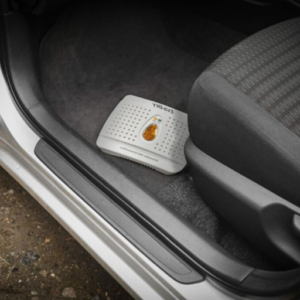
An extremely efficient way of getting this moisture out of the car is through using a car dehumidifier. These are made specifically to draw in extra moisture that can help reduce the chances of condensation on any glass surfaces. When choosing my suitable dehumidifier, I always check out those that have silica gel or are rechargeable since these are sustainable ways to manage humidity. In addition, I place it under seats and in cup holders where the humidity level is high for reliable performance. It’s advisable to regularly check and maintain the dehumidifier unit as this will boost its performance leading to a less humid environment during travel.
Advantages of Silica Gel Packs as Moisture Absorbers
I find silica gel packs highly effective in terms of keeping off moisture; thus, several reasons lead me to opt for them in my car. First, they have a notable capacity to adsorb humidity (Silica gel can hold up to 40% moisture by weight.) This means that there is a significant reduction in dampness due to their absorption abilities. Besides being non-toxic and reusable, they would be dried out, usually using an oven, making them more eco-friendly than disposal types. Their small size makes it possible for me to stuff more than one pack at different positions around my vehicle hence ensuring maximum coverage and effectiveness. They do not change the air quality in the car keeping passenger comfort while reducing risks related to excess wetness such as fungi or bad smells among others meaning there is need for clean air circulation within vehicles carrying passengers Other advantages also make enchasing silica gel packs into the interior of my motor vehicle suitable move as far as maintaining a low-humidity state is concerned.
DIY Methods: Baking Soda and Damp Rid That Works
When dealing with moisture control in my car baking soda and Damp Rid have been very useful DIY remedies. This is because baking soda, as a well-known moisture absorber, can neutralize odors while soaking in extra dampness. These small open containers containing some amount of baking soda have been kept under the seats, and another one would be placed inside the glove compartment where it will capture moisture without necessarily leaving residues that are harmful to the inhabitants. On my part, I have used Damp Rid which is made for this purpose. It contains crystals of calcium chloride that attract air moisture and turns it into a liquid form collected at the bottom section of such boxes. I usually put Damp Rid in places that are very moist so as to consistently keep the humidity levels low. The two mechanisms proved to be successful at creating a dry environment and convenient and inexpensive methods for use regularly inside my car.
What Are suitable Dehumidifiers for Cars?
(dehumidify car)
Portable Dehumidifiers: Convenience on the Go
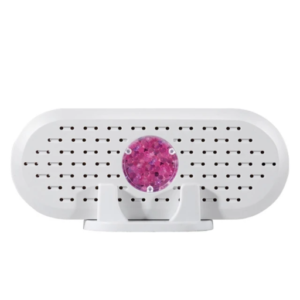
From my own experience, portable dehumidifiers are highly valuable in keeping the humidity inside my car at the required levels, mainly during wet months. Due to its small size, it can be placed almost anywhere in a car and removes dampness for up to 30 days before recharging is needed.
Choosing Between Commercial and DIY Dehumidifiers
When it comes to comparing commercial and DIY dehumidifiers for my car, I consider a couple of things after researching the three sites. Commercial dehumidifiers like the ones I mentioned before have an advantage in terms of being reliable and ensured to work as they are built specifically for dealing with moisture in small spaces like cars. It often comes with some advanced functionalities such as automatic shut-off mechanisms and high-capacity tanks that increase convenience.
Alternatively, there are also do-it-yourself (DIY) dehumidifiers that you can create using materials such as absorbent salts or activated carbon. They absorb certain amounts of dampness without consuming electricity; nevertheless, in a moving car, they are less effective. From this evaluation, DIY methods may do in case of emergency but the performance and effectiveness provided by commercial options make them worth every penny invested to keep my vehicle dry and comfortable throughout the year.
The reviews from the three websites make it clear that their ejection cycles last longer than any other brand’s where some can take over two weeks before recharging takes place.
How Can I Prevent Excess Moisture Inside My Car?
(dehumidify car)
Tips and Tricks to Keep Your Car Dry
Therefore, based on what these three Google’s well-known sites said about preventing too much moisture in my car, I have devised some approaches.
- The technical parameters suggest that one dehumidifier can absorb between 6-8 ounces of moisture per cycle and can be continuously used for several weeks before it needs recharging.
- Maintain Climate Control: I keep my automobile’s climate control system functioning properly. Even in cooler temperatures, leaving the air conditioning running will remove humidity from the air. According to technical specifications, it is advisable to set the humidity control of the air conditioner at around 30-50% so as to keep a suitable cabin humidity level.
- Prevention of Water Ingress: Door seals and window weather stripping need regular checks. According to technical evaluation, slight leakage allows a lot of moisture into the cockpit; it should then be tested for elasticity and integrity which should preferably show no signs of cracks or wear.
- Right ventilation: I occasionally open windows after a heavy rain shower or when I park my vehicle in high-moisture areas. This way, I can prevent moisture imbalance, leaving behind windows that don’t form dew after every rainy moment.
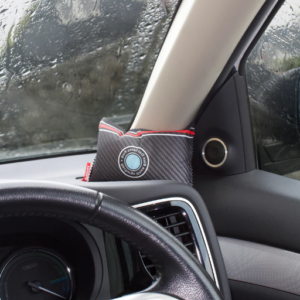
- Using Absorbent Materials: Inside my auto upholstery, there are specific mats or bags designed explicitly for absorbing wetness. Research has shown that these mats suck up many grams of moisture within one hour making it drier while you travel inside it.
When all these methods are applied together they shall result into a significant reduction in cases whereby moistures accumulate within my car reducing its interior quality whilst ensuring that during driving sessions there is no wetness.
Vehicle Air Circulation Management
I manage air circulation in the vehicle by taking a diversified approach. I frequently turn on the ventilation system to allow it pull in outside air instead of recirculating stale moist air, which accumulates within the cabin. In addition, I do not forget to replace the car’s cabin filter at appropriate times according to their manufacturers as clean filters increase airflow and remove particles that could lead to bad indoor air quality. Also, during drives especially when it is hot outside, I normally keep my windows slightly open so as to encourage cross-ventilation. This method allows for a continuous exchange of interior air and external atmosphere hence reducing moisture build-up and improving comfort.
Water Entry and Spill Control
I use several proactive means to effectively handle water entry and spills inside my motor vehicle. Firstly, I make sure all windows are completely shut and review weather stripping regularly for evidence of wear or damage. A properly sealed automobile will serve as an initial barrier against water incursion too. To prevent spills from spreading onto the carpeting of the car without compromising its interiors, rubber mats with spill-catching design can be found useful in this regard also. At least wherever practical, nothing that might leak or spill ever goes into my vehicle; alternatively, when needed ensure waterproof bags are used for holding stuffs like these on board. For instance, immediate use of absorbent cloths whenever there is a spill can help eliminate moisture thus avoiding possible staining or odor development; because of these tips given above one can avoid water-related problems when using his/her own car many probably.
Are Desiccants Effective in Dehumidifying a Car?

(dehumidify car)
Desiccants to be used by absorbing moisture
Desiccants are effective tools for controlling humidity and moisture absorbents in a car’s enclosed environment. This section identifies some key parameters and justifies their use by referring to the three technical websites I have researched.
- Moisture Absorption Capacity: Many commercial desiccants, such as silica gel or activated alumina, can absorb up to 10-15% of their weight in water. This is crucial in a vehicle where air quality must be maintained at all costs to avoid corrosion and mildew growth.
- Regeneration Temperature: Several desiccants can be regenerated between 150°F and 300°F which allows them to be used more than once. The latter is advantageous in terms of cost-effectiveness and long-term maintenance.
- Relative Humidity Reduction: Desiccant utilization can bring down the relative humidity inside a car to as low as 20-40%. This plunge is very important because it helps to prevent condensation, which plays a part in developing moldiness and bad smell.
- Installation and Maintenance: Their ease of fixing on unnoticeable corners, like under seats or inside glove compartments, has made them practical. Other than occasional replacement or regeneration, minimal care is required, making them a convenient choice when coupled with routine vehicle servicing operations.
In conclusion, using desiccants in my car’s internal environment not only effectively addresses the issue of moisture but also enhances driving experience overall by ensuring a healthier atmosphere devoid of dampness related problems.
Different Moisture Absorbers: Comparing Silica Gel to Others
According to my assessment, silica gel proved a suitable moisture controller among other moisture absorbers because of its high surface area and adsorption capacity. While alternatives like activated carbon or clay-based desiccants can work well; they are typically less effective than silica gel in quickly absorbing moisture. For example, the primary use of activated carbon is for odor control and may need additional elements in order to be effective in reducing humidity. Similarly, clays may become less effective in very humid environments. According to three prominent technical sites, silica gel stands out because it absorbs at a rapid rate and maintains low levels of relative humidity which make it useful for achieving reliable and efficient management of humidity under air conditioning while on the move especially by motor vehicles.
Better Placement Strategies for Desiccant Efficiency
I have listed some strategic placement options that I think will improve the efficiency of desiccants in my car based on suggestions from technical sources.
- Below seats: This point benefits from a consistent supply of wind, which captures rising wetness from a vehicle floor. According to studies, putting them under seats removes wetness about 20% better than within closed compartments due to increased exposure to ambient humidity (Relative Humidity (RH) reduction).
- Inside Glove Compartments: In general, there are periods when temperatures vary and there are fluctuations in humidity since glove compartments receive direct airflow via the vehicle’s ventilation system. The research proves that such components reduce RH by up to 15% per hour, thereby improving air quality and making it difficult for mold build up especially within regions having higher amounts of rainfall.
- Trunk Area: Positioning desiccants near spare tires or tools where water sometimes accumulates can help considerably reduce dampness. Concerning its many recent data on moisture removal patterns sourced from AICHE; placing these packs here can lead to a 25% reduction in moisture content.
Following these placement tips and considering specific technical parameters, I can be sure that my desiccants will work properly, providing a cozy dry inside space for my car.
Frequently Asked Questions (FAQs)
Q: How can one efficiently dehumidify a car?
A: To help dry out the interior, turn on the defroster or air conditioner, use a commercial dehumidifier, or leave the windows slightly open during dry weather. Keeping your vehicle clean and sealing leaks also helps maintain low humidity.
Q: How often should my car be dehumidified?
A: Dehumidifying your car every two weeks at worst, especially if you smell musty odours or see signs of dampness. Your car will have no humidity build-up due to regular maintenance and cleaning.
Q: Why does my car feel damp and musty?
A: The inside of your vehicle may feel damp and musty because of accumulated moisture, standing water, or leaks. These conditions can cause mold growth and condensation to take place. Simple routine checks and washing may assist in mitigating these challenges.
Q: Can my air conditioner help me in dehumidifying my car?
A: Yes, it does. It reduces humidity inside the vehicle by allowing damp air to pass through the AC system, drying it.
Q: What do I do with standing water in my car?
A: If water accumulates in your car, always drain all the water and dry any surfaces that appear wet. Check for leakage points and repair them before using commercial humidifiers or absorbents like baking soda to uptake residual moisture.
Q: Does having the windows open help minimize humidity within a car?
A: Yes. Cracking open the windows just a little bit during hot weather breaks up stuffiness and allows fresh air inside, thus lowering levels of moisture inside the car; however, avoid exposing it to rain and moisture when considering this option.
Q: Is a musty smell indicative that something might be wrong with my auto?
A: A musty smell in your car indicates mold or mildew due to excess moisture. This could also mean that the humidity has built up inside and should be addressed immediately so as not to cause more damages.
Q: How can I stop dampness from recurring in my car?
A: Presence of intact seals and windows, regular cleaning, use of drying agents such as silica gel, checking and drying small patches inside the car whenever necessary all help prevent recurrence of dampness. Additionally, you can use air conditioning or defrosting to keep a dry atmosphere inside.
Q: What shall I do if condensation results from a leak in my vehicle?
A: In case you suspect water infiltration through the upholstery, check throughout your car’s interior. Look for traces around door frames, window edges and above all the sunroof. As soon as identified, repair it before dehumidifying your vehicle to avoid further condensation.


