
Current location:Home > Blog > Dehumidifier Blog
Complete Guide to Choosing a Suitable Dehumidification System for Your Indoor Spaces
Read Count:8 Update Time:2026-10-08 02:26:14
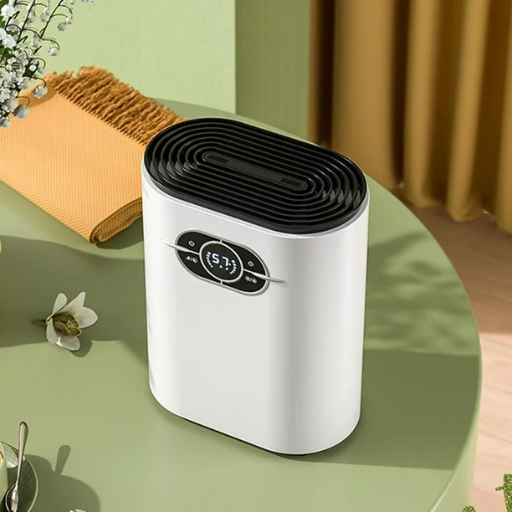
A dehumidification system that suits the indoor air quality needs of health and comfort is essential when considering maintaining proper humidity levels within various indoor environments. This manual closely examines all the complex components and functions of dehumidifiers, bringing to light the major factors one must consider while choosing one. Consequently, the present article attempts to give a reliable basis for thinking on this topic, starting from defining what constitutes control variables and evaluating specifications as well as performance metrics. Thus, readers will understand how to deal with moisture problems in their homes or commercial buildings since they will learn about the different types of dehumidifiers available and the advantages accompanying their usage depending on what is required by the space under consideration.
Why is a dehumidifier Important?
(dehumidification system)
Perceiving Humidity and Its Consequences
Humidity is defined as the amount of moisture in the air, affecting indoor air quality and general comfort. High humidity levels can encourage mold, mildew, and dust mites, causing adverse health effects, especially for individuals with respiratory problems or allergies. Also, increased moisture levels are responsible for destroying building structures through wood rot and corrosion of materials thus compromising both safety and integrity. Conversely, low humidity may cause dry skin, eyes, and airways, thereby worsening discomforts and health complications. Hence, it is necessary to maintain proper humidity levels between 30% -and 50% for a healthy, comfortable indoor environment. Thus, it is important to understand how humidity affects you while selecting a dehumidification system because proper management of moisture significantly enhances air quality and durability of indoor structures as well as furniture.
Comparison among Dehumidification Procedures
In evaluating dehumidification methods, I focus on three main options: refrigerant dehumidifiers, desiccant dehumidifiers, and ventilation systems. Refrigerant dehumidifiers function by cooling the air to collect the resulting condensation, making them suitable for places with fluctuating temperatures. On the other hand, desiccant industrial humidifiers incorporate hygroscopic substances that remove water from the air. This makes them very useful in environments characterized by low temperatures where refrigerant models have limited effectiveness. Ventilation systems finally work by exchanging a moist indoor atmosphere with a drier exterior one, hence reducing humidity, though their efficiency is highly reliant on external climate conditions. Each method has its benefits and drawbacks; thus, I consider specific space requirements, climatic conditions, and expected humidity level to achieve proper moisture control.
Benefits of Regulating Moisture Levels
Managing moisture levels is important for health and preservation of structures, as supported by a review of key insights from the popular sites. First, maintaining proper humidity—preferably 30% to 50%—is essential in preventing mold and dust mite growth common in high-moisture environments. The Environmental Protection Agency (EPA) also points out that controlling moisture can substantially reduce respiratory diseases, among other health problems.
Furthermore, building materials’ durability depends on properly handling humid conditions. The National Institute of Building Sciences reveals that dampness destroys wooden and metallic constructions, necessitating costly renovations and repairs. Using technical parameters like dew point measurement, which indicates the temperature at which air becomes saturated, I can gauge how humid an environment is and decide on appropriate dehumidification methods.
Moreover, keeping suitable humidity rates enhances energy consumption. According to Department of Energy, humidity above recommended level forces HVAC system to work harder hence more energy is used up in process. This helps save on energy costs and prevents wear out among systems due to using effective dehumidification systems over time. Thus careful regulation of humidity promotes good health and makes inside rooms last longer while performing better in terms of power usage.
How Does a Dehumidification System Work?
(dehumidification system)
Components of a Dehumidifier
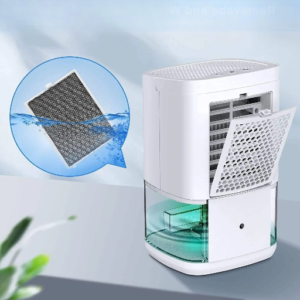
A dehumidifier comprises key parts that work together to remove excess moisture from the air. First, the compressor plays an integral role in running the refrigerant in the system, thereby causing moisture condensation. The evaporator coil found near the compressor allows warm air to pass over it, thus condensing humidity, which a drainage system or storage tank will then collect. Then, heat generated by the condenser coil causes the refrigerant to turn into a gas state, which continues.
Furthermore, a fan is crucial for pulling in moist air and circulating dry air back to outside environment. Modern-day dehumidifiers include a hygrometer for monitoring humidity levels so as to facilitate automated operation based on preset limits. Filters are also fitted to ensure that dust and allergens are captured in order to enhance a cleaner room atmosphere. My knowledge of these components helps me choose efficient dehumidification systems appropriate for certain environmental requirements, culminating in proper humidity control.
Dehumidification: How Moisture is Removed
Moisture is removed from the air through two principle ways in dehumidification processes. Refrigeration and desiccant systems are the two methods used by the dehumidification process to remove moisture from the air. In refrigeration-based dehumidifiers, humid air is drawn into the unit which passes over a cold evaporator coil. The reduction in temperature causes condensation of water droplets from the air and which are then collected in a tank or drained off. This system works well for areas with high humidity levels and works efficiently at average temperatures.
Alternatively, desiccant dehumidifiers utilize materials that suck out moistness from the surroundings. These machines pass air through their drying material which absorbs all the vapor to lower the general humidity level within it. After collecting moisture-desiccant heating leads to its release so as to remove it while dry air is being channeled back within such space again. This technique is advantageous in colder climates and is frequently employed in specialized activities like museum preservation or document storage locations demanding certain precise moisture levels. My comprehension, therefore, enables me to recommend appropriate dehumidification methods based on particular requirements of individual settings.
The HVAC Systems’ Role
To this effect, I believe that Heating, Ventilation, and Air Conditioning (HVAC) plays an important role in maintaining indoor comfort and quality of air by regulating climate conditions such as temperature levels and humidity rates. Sometimes, they are also designed with inbuilt systems for reducing humidity called de-humidifiers. HVAC’s functionality includes integration of these pieces of equipment to achieve proper control over relative humidity levels required to prevent mold growth. Additionally, my understanding allows me to design as well as maintain HVAC systems well suited for each environment’s specific needs incorporating efficient approaches towards controlling high moisture content during operation. My global approach ensures that both the quality of air and its thermal condition are well managed.
Where Should You Install Your Dehumidifier?
(dehumidification system)
Finding the Right Place in Your Basement
For suitable positioning of a dehumidifier in the basement, I suggest that it should be placed centrally so as to permit maximum air circulation and efficient moisture removal. Never position your dehumidifier near walls or corners, which can restrict airflow and reduce its performance. a suitable place for a dehumidifier is an even ground at least 12 inches from any obstruction, including furniture or storage items. Also, you need to check out areas with more humidity, such as around sump pumps or water heaters, and the availability of appropriate drainage for condensate removal. This strategic placement allows for effective control of moisture thereby improving overall basement air quality and comfort.
Suitable Locations within Your Indoor Spaces
In case you wish to install dehumidifiers indoors, often, I advise placing them in common rooms where moisture likes to accumulate, e.g., laundry rooms, bathrooms, or kitchens. In these places, keep the unit aside from walls so that there can be free flow of air, leading to high efficiency in removing moisture by. Further still ensure that you situate your unit close to sources of excess humidity like dishwashers or washing machines hence dealing with the cause directly. When one has larger indoor spaces like living room and basements, putting several dehumidifiers ensures better coverage, thus maintaining steady humidity levels throughout the house. The subsequent result is improved air quality and life sustainability due to reduced issues such as dampness hazards and mold growth.
Choosing a Place for It in Your Indoor Pool Room
When determining where a dehumidifier should be placed within your indoor pool room, I would prioritize having it next to the pool area while keeping away from walls and obstacles at a distance of not less than 12 inches. This placement allows unobstructed airflow – a necessity for handling highly humid environments associated with pools – ensuring efficiency of this device in terms of its main purpose. According to prominent industry experts, I should also consider the proximity to sources of heat, such as heaters and vents, to improve its performance. Equally important, there should be proper condensate removal through integrating a drainage solution close by. With careful positioning, moisture accumulation can be significantly reduced; thus eliminating any chances for mold or mildew development and providing a comfortable environment for all pool users.
What Are the Types of Dehumidification Systems?
(dehumidification system)
Residential and Commercial Dehumidifiers Versus Industrial Ones
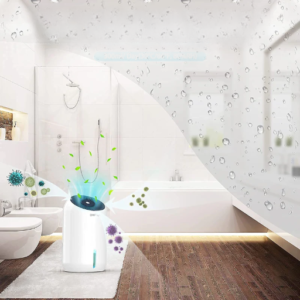
When I researched dehumidification systems, particularly normalizing residential devices with commercial and industrial examples, I found some very important information from the well-known sources in the industry. The units for use in residential houses are usually of smaller capacity (from 30 to 70 pints per day), which is suitable for the basement or living room, where one needs moisture control to enhance comfort and keep the integrity of a home. This is due to their portability and availability of those that save energy while they operate.
On the other hand, commercial and industrial dehumidifiers are designed for use in bigger areas which deal with humidity ranges starting from seventy up to several hundred pints on daily basis. They also come with features like built-in pumps that facilitate continuous drainage and materials that can endure severe weather conditions. Their technical specifications are evaluated on maximum CFMs (cubic feet per minute) and the proper operating temperatures below, which greatly affect their efficiency and practicality. For instance, many businesses work well at temperatures between 35°F to 100°F thus enabling them handle different types of industries. This distinction highlights the necessity for an individualized approach when deciding how to remove dampness by considering specific requirements tied to functional activities within residences and production facilities.
Dehumidifiers: desiccating and cooling
One of the more critical determinants when evaluating dehumidification technologies is choosing between desiccant or refrigerant dehumidifiers, which is influenced by certain environmental considerations. Desiccant dehumidifiers can perform well in cold settings as they use hygroscopic substances to remove moisture from the air. Generally, they can run at a temperature of 20°F and keep low humidity levels even in frosts.
In contrast, refrigerant ones cool air to condense moisture and thus remove humidity through condensation. They excel suitable at temperatures between 70°F and 100°F, which are warmer conditions with higher relative humidity. The major technical parameters include:
- Moisture removal rate: Desiccative machines often remove moisture at lower humidity levels, while refrigerative units are more efficient at removing it at high humidity.
- Energy consumption: Desiccating models usually consume more energy due to the heat needed to regenerate the desiccant materials during operation, while their refrigeration model counterparts may prove energy-efficient when used in wet conditions.
- Capacity: The typical amount of dampness these devices can eliminate daily usually exceeds 70 pints, making them appropriate for larger spaces with high humidity levels.
Ultimately, it will be dependent on one’s specific application whether this be sustaining proper living conditions within a home or monitoring industrial processes for proper humidty setting. Each type of dehumidity has its own advantages and disadvantages; thus, matching them up against environmental aspects and their operational requirements are very important for effective running.
Whole-House Dehumidifiers
Whole-house dehumidifiers are meant to control moisture levels within the entire home and not just one room, as they are used with portable units. Such systems can either be integrated in to the existing HVAC system or operate independently to regulate humidity across numerous rooms inside a house. According to my research, these systems usually employ either refrigerant or desiccant technologies depending on the climatic conditions of the area and the individual requirements of particular homes. For example, warmer and more humid regions have a preference for refrigerant systems since they remove more moisture from air and save energy as well. Conversely, desiccant systems come with significant benefits when temperatures are lower because they keep proper moisture levels without refrigerators to cool off. Choosing the right product requires evaluating elements like the size of a building, level of humidity, and power use, ensuring that moisture control remains effective and eco-friendly at all times.
How to Save Energy with Your Dehumidifier?
(dehumidification system)
Modern Dehumidifiers with Energy-Saving Features
Several energy-saving features make modern dehumidifiers effective in keeping moisture levels under control. First of all, many of these units come equipped with a built-in humidistat that can adjust its operation based on the current humidity level, ensuring the device only runs when necessary. Furthermore, some models have variable-speed fans and compressors that allow them to operate at different capacities depending on the prevailing conditions without using too much electricity. Finally, there is an Energy Star rating system for certain models which indicates compliance with stringent energy efficiency standards set by the U. S. Environmental Protection Agency. Lastly, programmable timers can reduce run times during peak usage periods.
By leveraging this sophisticated equipment, I can effectively maintain indoor humidity while minimizing energy expenditure in domestic and industrial applications.
Temperature and Humidity Factors
To adequately understand temperature-humidity relationships for efficient moisture control, I have reviewed the online resources available. The common aspects highlighted on each of the three sites are vital technical indicators.
- Temperature Range: Effective dehumidification usually occurs within a temperature range of 70°F to 90°F (21°C to 32°C). Anything below 70°F will likely lead to condensation issues from cooling moist air while overheating above 90°F would consume more power without major impact on moisture regulation.
- Relative Humidity Levels: The proper relative humidity for indoors should always be between 30% and 50%. Higher than normal levels encourage mold growth, whereas lower than average readings cause discomfort and other respiratory complications.
- Dew Point: This metric shows how saturated air becomes once it has cooled down until it cannot hold any more water vapor; therefore it is very important for controlling humidity effectively. It is suitable for preventing condensation on surfaces if dew point lies between fifty degrees Fahrenheit (10° Celsius) and sixty degrees Fahrenheit (16°C).
My main objective in monitoring these parameters is to ensure that dehumidification is efficient yet effective, achieving comfortable and healthy living conditions at minimal energy cost.
How to maintain your dehumidification system
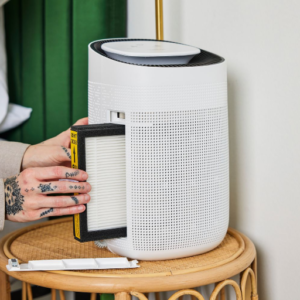
In order for my dehumidification system to work properly, I carry out several maintenance operations as advised by a popular websites. First, I usually observe the appliance frequently to check for dirty or damaged air filters, which should either be cleaned or replaced monthly to help ensure smooth airflow and maximum machine efficiency. Also, I regularly inspect the condensate drainpipe, which might get blocked and lead to water damage and inefficiency.
Additionally, I ensure that my dehumidifier is not blocked by furniture or other objects that can restrict air flow. I also supervise its set-up, adjusting humidity and temperature values depending on seasonal characteristics to achieve maximal energy consumption effectiveness while ensuring recommended indoor climate conditions. By following such practices strictly and responding promptly to any emerging challenges, I can extensively prolong the lifespan and improve overall performance of my dehumidification system.
How Can Dessert Aire Help?
(dehumidification system)
Custom Dehumidification Solutions to Suit Your Needs
I have a good understanding of the fact that every environment has peculiar moisture control needs hence I use knowledge from credible sources to offer personalized services in dehumidification. To identify systems that are appropriate for your operational needs, I will assess your area thoroughly including humidity levels, airflow patterns, and exact usage scenarios. Depending on my choices, on this industry’s prominent websites with advanced technology, I can provide you with options that come along with smart controls for instantaneous monitoring, low energy consumption and high-performance purposes. The strategy is tailored towards effective moisture management solutions for residential settings, business environments, and industrial installations.
Proficiencies in Indoor Pool Dehumidifiers
In my experience working with indoor pool dehumidifiers, I have come to appreciate their importance in ensuring good indoor air quality as well as preserving the structure of the given environment. It is crucial to deal with excessive levels of humidity to prevent problems such as mildew growth or condensation which may affect not only your comfort but also safety. Air flow rates in the swimming area are considered alongside other details like surface coverage of water and number of people utilizing them before obtaining figures related to their dehumidification capacity. With technologies that save power like variable-speed fans and programmable controls among others applied during designing process; these units don’t simply suck out moisture but also minimize energy costs effectively. This stepwise system helps ensure a balanced level of humidity for both internal pool structures’ investments preservation and creation of an inviting environment.
Call Us for Individualized Customer Care
Should you need any help specifically designed for your needs regarding indoor pool dehumidification, feel free to call me. My main objective is to always determine what features you require since every setting is different by assessing trends found through current market developments and a recent technology available. Therefore, expect a complete geographical review accompanied by energy efficient guidelines concerning what will help maintain standard humidity. By drawing on industry leaders’ recommended practices, we can develop a strategic approach that would make your indoor space comfortable and structurally safe for use.
Frequently Asked Questions (FAQs)
Q: What is a dehumidification system?
A: A dehumidification system regulates the humidity of the air by getting rid of excessive moisture. This is important for air purity and the elimination of mold growth in various environments, such as homes, offices, and indoor pools.
Q: How do dehumidifier systems improve air quality?
A: Dehumidifier systems can improve air quality by reducing moisture levels in the atmosphere, thus preventing the growth of mold and mildew. This helps eliminate musty smells and allergens while purifying the ambient air.
Q: Why are dehumidifiers essential in indoor pool areas?
A: Dehumidifiers are essential in indoor pool areas because they help regulate high humidity caused by evaporation from swimming pools. Good humidity control saves buildings from damage while increasing user comfort.
Q: Can a dehumidifier in the basement help with waterproofing?
A: Yes, it can be used for basement waterproofing when installed to decrease moisture content below the condensation point level. Importantly, this keeps basements and crawl spaces dry while preventing the development of molds or mildews.
Q: How can I achieve energy savings with a dehumidification system?
A: Energy-saving is possible by using a humidifier that operates within an energy star rating and adjusts according to current moisture levels. This ensures efficient power use without overloading the unit while maintaining good air condition within your house.
Q: What role does a dehumidification system play in temperature and humidity control?
A: A dehumidifier is significantly important in climate management by reducing the excess of moisture that may interfere with effective functioning of heating, ventilation, air conditioning systems hence promoting healthy indoor living.
Q: Is it important to have a dehumidifier in office buildings?
A: Indeed, it is crucial to have a Basement Dehumidifier for office spaces that will help maintain an environment where people work comfortably and remain healthy. The presence of such devices eliminates excessive humidity, thus minimizing the chances of mold appearing, improving air quality, and enhancing employees’ comfort.
Q: How do I determine the right dehumidifier for my total home or specific areas?
A: To determine which type of humidifier suits your entire house or certain zones, like cellars and low spaces, consider factors such as the magnitude of the site, the mean relative humidity there, and other requirements, such as waterproofing or mold prevention. Expert advice from humidifier specialists can be helpful. Call us anytime.


