
Current location:Home > Blog > Dehumidifier Blog
Choose the Right Dehumidifier to Solve your Damp Dehumidifier for Crawl Space
Read Count:8 Update Time:2026-10-08 02:12:04
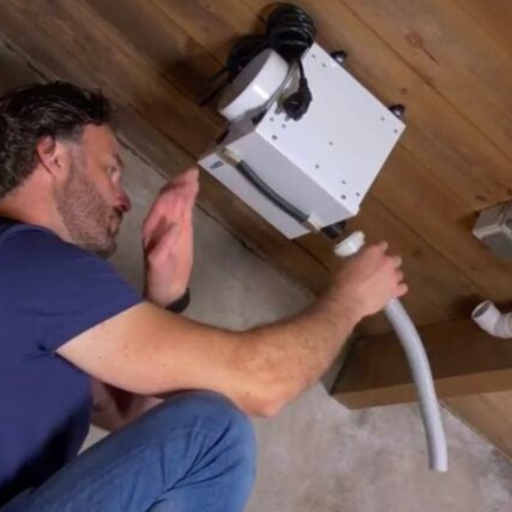
Crawl spaces are often overlooked areas in a home, but they play a critical role in maintaining overall structural integrity and indoor air quality. Moisture buildup in crawl spaces can lead to a host of problems, including mold growth, wood rot, and increased pest activity. To combat these issues, investing in the right dehumidifier is essential. This article will guide you through the necessary steps to choose the right dehumidifier for your crawl space, considering factors such as size, capacity, and specific features tailored to damp environments. By the end, you’ll have a clearer understanding of creating a healthier and more resilient home environment.
Why Do You Need a Dehumidifier for Your Crawl Space?
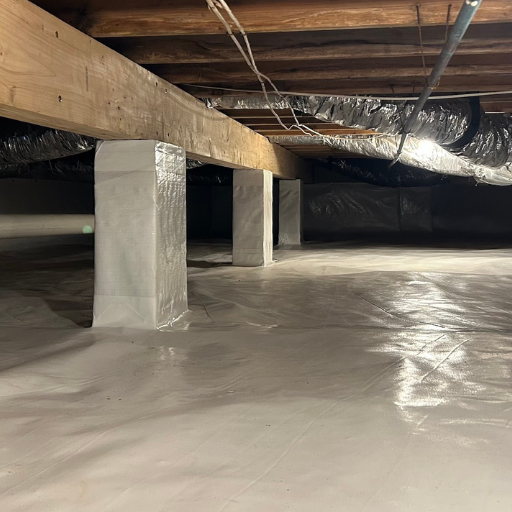
What problems can be caused by high humidity in the crawlspace?
High humidity levels in a crawlspace lead to many significant problems. Firstly, it encourages the growth of mold and mildew that may affect indoor air quality and create health risks for inhabitants. Secondly, excess moisture can result in wood rot and deteriorate structural elements causing instability in homes. Additionally, dampness is a breeding ground for termites and rodents hence leading to infestations. Lastly, high humidity levels increase energy costs because HVAC systems have to work harder to achieve comfortable indoor temperatures.
The Advantages of Utilizing a Crawl Space Dehumidifier
There are several key benefits of using crawl space dehumidifier. Firstly, it effectively reduces excessive moisture thus preventing mold and mildew growth which can enhance air quality indoors lowering health risks. Secondly, it helps protect your house’s structure against wood rot as well as damage extending its lifespan. Additionally, by keeping off pests such as termites and rats attracted by wet conditions inside dehumidifiers also contribute towards minimizing these organisms’ populations within homes. Also, maintaining proper humidity levels can increase energy efficiency since this means less strain on the HVAC system, reducing power bills. The above advantages add up to creating a healthier home that is safer and more resilient.
How does this device enhance air purity?
A dehumidifier can significantly boost air quality by removing extra atmospheric water, inhibiting mold growth, including mildews. Molds produce allergens and release harmful spores together with volatile organic compounds(VOCs), thus deteriorating indoor air quality. Lower humidity levels are, therefore, good for people suffering from asthma or allergies since they help reduce dust mites, which are universal triggers. Personalizing an environment where these irritants join you help ensure cleaner, healthier breathability.
How to Choose the right Crawl Space Dehumidifier?
What are the Main Features to Look for When Choosing a Dehumidifier?
These are some of the critical features that should be taken into account while choosing the right dehumidifiers for crawl space:
- Capacity: When considering the dehumidifier’s ability to remove moisture, its capacity (usually measured in pints per day (PPD)) is important. You must select an unit whose capacity matches your crawl space size and the moisture level.
- Energy Efficiency: One should purchase an Energy Star-rated dehumidifier to reduce energy bills and minimize environmental impacts.
- Automatic Humidistat: A built-in humidistat ensures that the right humidity levels are maintained by adjusting the operation of a dehumidifier according to prevailing moisture situations.
- Durable Construction: Crawl spaces can sometimes be harsh environments, so a dehumidifier made from robust materials resistant to corrosion ensures longer life and dependability.
- Drainage Options: Effective drainage is crucial so that emptying is not manual. There are units with continuous drainage options or those with built-in pump systems, which make them easy to maintain.
- Portability and Size: The physical dimensions and portability can also come into play mainly if your crawlspace has limited access or there may be multiple areas with moisture problems.
- Noise Level: Because some can be very noisy, it is advisable to check on the noise level before buying especially if they will be located near living areas
- Filter Indicator: This indicator reminds you when you need to clean or replace filters often for the dehumidifier to run efficiently.
By focusing on these pointers, you’ll choose a crawl space dehumidifier that efficiently handles humidity issues, improves air quality and prevents water damage within your home.
What Capacity Dehumidifiers Fit my Crawl Space?
The size of your crawl space will dictate what volume of a dehumidifier you require as will the level of moisture present. In general, a 20-30 pint per day capacity dehumidifier is sufficient for small crawl spaces of up to 300 square feet. For medium-sized crawl spaces between 300 and 800 square feet, it is recommended that you use an unit which can extract between 40-50 pints per day. However, if the crawl space measures over 800 square feet or has high levels of humidity, then one would need to purchase a dehumidifier which can remove around 70 pints per day or more. Humidity levels should be considered to find out if the dehumidifier meets your space’s specific conditions.
How Much Moisture Can Be Removed?
The amount moisture that can be extracted from air within one day using this device usually measured in PPD stands for its moisture removal rate. Greater volume of water removed indicates faster and better control over humidification – an important factor required to prevent growth of moulds and damage caused by dampness. Such areas with high humidity levels or bigger spaces for instance may require those that take away at least 70 pints/24 hours while smaller or moderately wet ones may do with removal rates ranging between 20-50 pints daily. It ensures that the right moisture removal rate specific to your situation can make your dehumidifier work better and last longer.
Crawl Space Encapsulation and Its Impact on Humidity Control
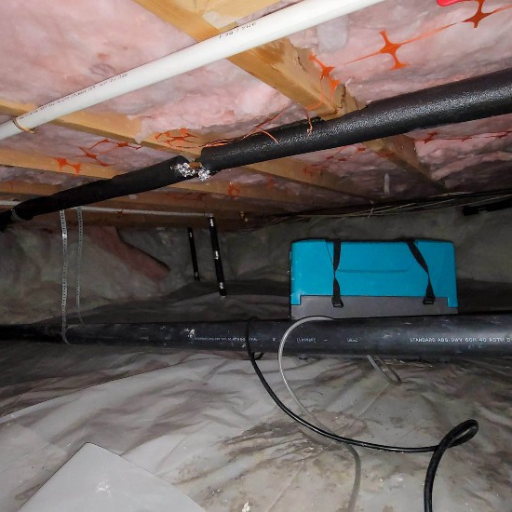
What is Encapsulation?
Encapsulation is a method that seals off crawl spaces to protect them from external moisture and other environmental elements. This can be done by laying down a heavy plastic sheet on the ground, sealing the walls and piers, and putting in place a dehumidifier to control internal humidity levels. Encapsulation also keeps away water, improves health of air indoors, and strengthens the structure of a building. Encapsulation involves making sure that no molds are growing because it ensures the space is clean and dry, hence preventing wood rot, molding materials, and energy wastage.
Advantages of Moisture Reduction through Encapsulation
A well-encapsulated crawl space is able to reduce moisture content significantly by acting as an effective barrier against external humidity or groundwater intrusion. It stops dampness from entering, thereby curbing mold development as well as protecting wooden structures from decay caused by rotting. Therefore air quality improves because allergens and similar items do not get around too much. Additionally, encapsulation promotes energy efficiency by helping stabilize temperatures beneath your house, reducing the pressure on your heating/cooling system. At large, encapsulation typically provides a strong way of keeping home’s ambient environment dry, healthy and energy saving.
Do You Need Dehumidifier After Encapsulation?
However encapsulating may reduce moisture levels within your crawlspace; it does not help ensure eradication of all humidity problems. In some cases placing a dehumidifier could be useful especially where there are high levels of environmental humidity or if your home tends to experience slightly higher than average relative humidity conditions. A running dehumidifier will keep any remaining moisture at bay thus preventing mold growth while maintaining air quality within such spaces Consequently even though encapsulation gives you a great starting point for managing your moisture problem installing a dehumidifier will give you an additional level of protection so as to maintain low moisture levels in your crawl space.
Installation and Maintenance of Your Crawl Space Dehumidifier
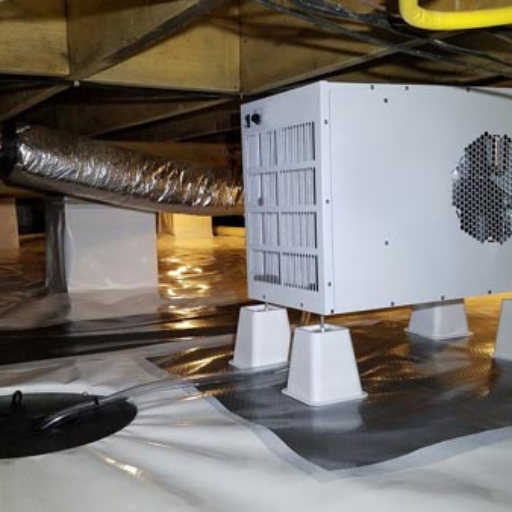
DIY vs. Hiring an Expert
As far as the crawl space dehumidifier installation is concerned, you have to decide whether you want a Do-It-Yourself (DIY) type or an expert installer. DIY installation can be cost-effective if you have the skills and tools. This allows you to choose when to do it, and if done correctly, it becomes fulfilling. However, incorrect installations can lead to ineffective dehumidification, hence damage to the device, among other things.
In contrast, professional installation ensures the correct mounting of the dehumidifier in the crawl space for greater efficiency. Problems that occur during construction in your crawl space, like limited entry points and moisture challenges, will be better addressed by experienced professionals and experts. Moreover, many professional installers offer helps ensure for their work, so there’s nothing to worry about.
Finally, choosing between DIY and engaging experts depends on your ability to handle such a project well, plus the complications of your crawl space condition, which may make it impossible for people other than experts to fix them in this area. In case one is not sure he or she should go for professional help because prevention is always better than cure.
Installing Dehumidifiers Properly
When installing a dehumidifier properly inside the crawlspace, the following steps should be followed.
- Choose A Suitable Position: First, establish the location where air flows freely around the machine inside this confined space. It must also be away from areas where many people are passing through and obstructions that may hamper its performance.
- Prepare Your Space: Clean up and level the area where you placed your appliance to keep it stable, as some places are uneven.
- Install A Drainage System: Ensure that water continuously drains out of your humidifier by fixing a drain pan nearby, on which water may collect from below when humidified air moves over it. This requires attaching a pipe from the discharge outlet to the sink, sump pump, or outside the house.
- Plug In The Dehumidifier: Ensure that the distance from the dehumidifier’s power cord to the nearest electrical outlet is not too long. Connect it with a grounded outlet to avoid electrical issues.
- Adjust Moisture Level: After switch on the dehumidifier, set its humidity level to be between 30% and 50%. This will enable it control any dampness accurately that might make people in there uncomfortable.
This ensures that your crawl space dehumidifier is properly installed and operates efficiently.
Routine Maintenance Tips for Obtaining reliable Performance
- Regular Filter Cleaning:Clean or replace the air filter every two months in order to keep efficient airflow through it as well as prevent dirt buildup in case of this kind of problem which may affect its efficiency.
- Check The Coils:Occasionally check the evaporator coils of your dehumidifier for frost/ice accumulation. Turn off unit if you find any, then let it melt before resuming business.
- Empty Water Tank: Where continuous draining is not provided for in your humidifier, make sure that you regularly empty the water tank, as this prevents overflows and keeps it efficient.
- Inspect Drain Hose:For units with gravity-fed drainage systems, ensure there are no blockages or kinks in the hose carrying away waste water. Regularly clean this pipe after unwanted materials have contaminated it until proper flow has been restored.
- Schedule Annual Servicing:Consider having your dehumidifier inspected by a professional annually. This helps catch problems early on and maintain reliable performance throughout its life span.
Addressing Common Problems with Crawl Space Dehumidifiers
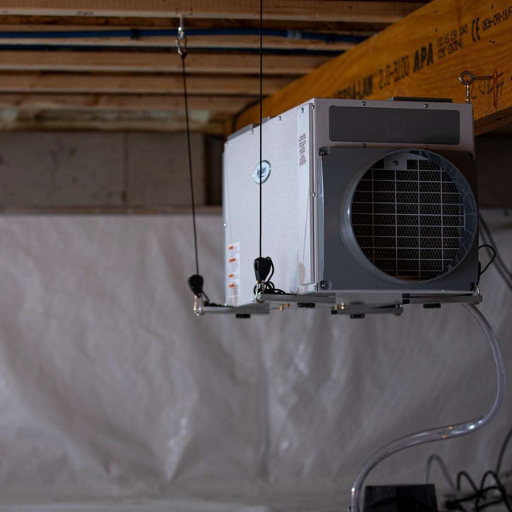
What If Your Dehumidifier Is Not Draining Properly?
If the dehumidifier is not draining properly, the first thing is to make sure that it is leveled properly. Tilted dehumidifiers can cause improper water collection and thus hamper draining. Secondly, I would inspect the drain hose for any kinks or clogs. A hose that has been blocked could prevent water from flowing correctly, so I would gingerly scrutinize it and then tidy up accordingly. Besides, confirming that the hose is fitting snugly into the drainage port is important.
I would check on the pump for a pump-driven dehumidifier to ensure it is functioning well. Occasionally, an internal pump may require cleaning or be faulty hence preventing proper drainage. Lastly if I’ve confirmed all these things are okay but still experience this problem I would go through my user manual for possible corrective measures as regards my model. However, if this does not work out then I might need professional advice so that my dehumidifier will function properly.
How Can Mold and Mildew Be Prevented after Dehumidification?
Following dehumidification of my crawl space, I see to it that there is proper ventilation in order to avoid molds and mildews. This is because good airflow helps in reducing moisture levels and thus lessening possibilities of mold growth. Moreover, with a hygrometer installed in place, I keep watch of humidity level to ensure that it remains below 60%. To ensure efficient performance of the dehumidifier especially its filter; one needs to clean them regularly apart from checking for such leaks around which when not sealed promptly will increase humidity levels unnecessarily higher within your premises. Therefore by keeping the crawl space clean and dry, i can effectively reduce the chances of mold development after humidifying it.
Signs Your Dehumidifier Needs Repair or Replacement
Based on my experience and research, several obvious indicators would show me whether or not my dehumidifier needs to be repaired or replaced. First of all, if the unit does not effectively decrease humidity levels despite continuously operating, it might have a defective compressor or refrigerant leakage. Secondly, abnormal sounds like rattling or grinding could indicate mechanical problems with interior components. Moreover, unpleasant odor such as burning emanating from the machine could imply an immediate electrical fault which should be fixed immediately. Other indications involve water leaking around the system which signifies possible blockage or failure of the internal drainage system. Finally if your dehumidifier cycles on and off frequently without reducing humidity levels it can imply sensor malfunctioning or control board failures. For these signs I either try to sort out some things on my own or consult a professional in order to decide whether repairs are required or it is time for replacement.


