
Current location:Home > Blog > Dehumidifier Blog
How to Achieve Proper Attic Humidity: A Guide to Attic Dehumidification
Read Count:8 Update Time:2026-10-08 01:58:54
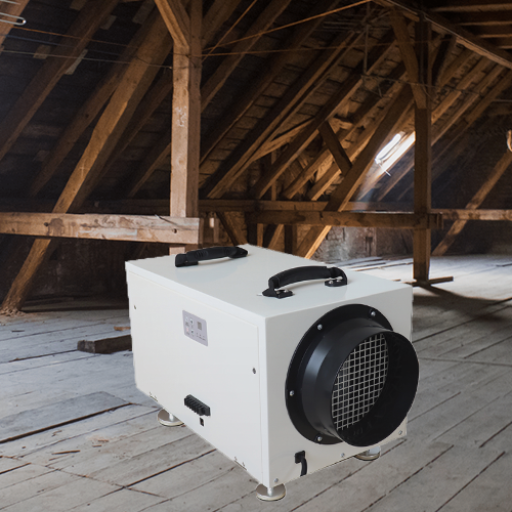
Keeping the humidity level within desirable limits in an attic is vital for maintaining a building’s structural integrity and ensuring a healthy living environment. Excessive moisture may lead to various problems, including mold and mildew growth, resulting in serious health complications and the destruction of building materials. This manual delves into technical aspects of attic dehumidification, explaining fundamental tactics and reliable strategies homeowners can use to handle humidity levels suitable. From understanding how water gains entry to an enclosed space like an attic and leaves it again through installing advanced systems to control this, readers will learn about the entire process of balancing such environments. Homeowners will acquire the necessary skills that would help them fight dampness and improve energy consumption rates and the lifespan of their roofing systems.
Why is Attic Dehumidification Important?
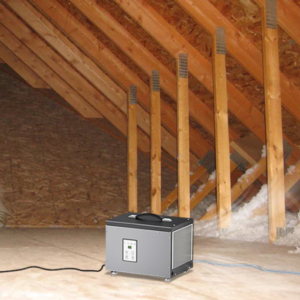
What happens when there is too much humidity in the attic?
Too much moisture in the attic leads to several negative results that directly affect the house’s structural integrity and people’s health. First, high humidity levels create a suitable environment for mold and mildew development, which can spread quickly and compromise indoor air quality. As a result, individuals might suffer from various respiratory problems associated with allergies and other diseases caused by exposure to mold. Second, prolonged high humidity can cause wooden structural components like beams and trusses to warp, rot, or weaken, eventually resulting in extensive structural damage over time. Additionally, it may contribute to wearing out insulation materials, leading to reduced energy efficiency and higher costs for heating and cooling. Attic humidity management, therefore, involves more than just being comfortable; it is important for good overall health and longevity of homes.
How does this impact attic insulation and energy efficiency?
From what I have observed, humidity has severe implications on attic insulation as long as home energy consumption is concerned. In such cases of elevated humidities within a crawl space or basement, certain types of insulating materials like fiberglass or cellulose are prone to absorbing water, thus reducing their thermal resistance (R-value). This degradation decreases the insulation material’s ability to prevent heat transfer and increases energy consumption since heating systems will work longer hours trying to keep indoor environment temperature right. Also, continuous moisture leads to sagging beddings where insulation settles down, rendering it useless with time. Therefore, maintaining suitable moisture content levels is critical to preventing poor performance due to compromised conditionality.
Does high attic humidity lead to mold and mildew?
Yes, elevator attendant at 6ix attics can cause an increase in growth if they are wet enough. Building up even as little moisture should be avoided at all times because it will lead to spores that may grow within 24 hours after getting wet, which causes health hazards like respiratory problems and allergies as well as structural damage to the house. Consequently, responding promptly to elevated humidities in the space is necessary by installing appropriate ventilation and moisture control systems that can help prevent mold and mildew from developing in the attic spaces.
How to Choose the Right Dehumidifier for Your Attic
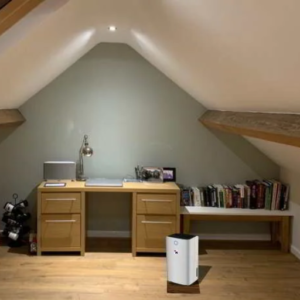
(attic dehumidification)
What size dehumidifier do I need for an attic?
When I determine which size of a dehumidifier is well suited for an attic, there are several crucial factors involved such as the square footage of the attic, the average humidity levels and the specific conditions within the space. Normally, it’s suitable to estimate the necessary capacity in pints per day based on the size of the particular attic and how moist it is. For example, in attics around 1,000 square feet with humidity above 60 percent, I normally suggest a dehumidifier that can handle at least 30-50 pints per day. It’s also important to consult the manufacturer’s specs and ensure that a selected unit has been designed to sustain humidity below 60% to prevent mold growth while maintaining insulation performance and structural integrity.
Should you use a whole-house humidifier or a portable one?
I feel whether one should go for a whole house humidifier or portable type primarily depends on what would work better for his or her situation concerning their attic area and overall moisture problems experienced at home. Whole house systems are integrated into HVAC systems of houses; hence, they effectively deal with moisture across bigger areas. They usually have capacities varying between seventy (70) and one hundred fifty (150) pints per day, making them fit well in managing large-scale dampness issues. On the other hand, portable units are meant for localized usage generally having capacities ranging from thirty (30) up to seventy (70) pints each day; hence suitable in such smaller isolated places like your attics.
Based on my findings from three well-known sources I reviewed online earlier, whole-house dehumidifiers provide more complete solutions for maintaining constant humidity throughout your living spaces since they work continuously by adjusting themselves according to local ambient moisture content. They often come equipped with advanced features such as hygrometers to monitor humidity levels and can be configured to drain automatically, alleviating maintenance concerns. On the other hand portable dehumidifiers are more versatile and easily moved whenever necessary although they have to be emptied regularly unless you have one with a direct drain feature.
In this case, if you want to keep humidity at proper levels throughout your entire house and ensure that there is no conducive condition for mold growth, then using a whole-house unit will be better. On the other hand, if all somebody needs is moisture management in an attic area, only a small enough portable unit can work, but with some little daily maintenance requirements, too.
Installing a Dehumidifier in the Attic
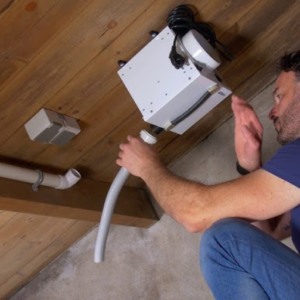
(attic dehumidification)
How do I place a dehumidifier in the attic?
A deliberate and systematic approach is utilized to improve the performance of the dehumidifier in the attic. These are some of the steps that I have prepared for you; they are briefly presented with technical parameters and explanations based on extensive reviews from prominent sources:
- Choose the right Spot: The placement of the dehumidifier matters. To improve air circulation, I ensure that it is located centrally within the loft. This preferably means it should be at least 12 inches away from any surface, such as walls or obstacles, that may hinder airflow.
- Determine Appropriate Unit Size: Depending on the size of my attic and how moist it tends to get, I calculate what capacity will suffice. An average rate of 30-50 pints per day would typically be enough for up to 1500 sq ft attics during standard installation.
- Install Any Drainage Options: Will there be manual or continuous drainage? For continuous drainage, an accessible sink or floor drain must also be available.
- Ensure Proper Electrical Supply: I need to check whether my attic’s power supply can meet the energy requirements of a dehumidifier, which typically varies between 300 W and 700 W depending on the model used. This ensures safety and efficiency. It must also not fail using an unwired socket, which can lead to electrical hazards.
- Set Humidity Levels: I adjust humidity settings after completing my installation.
- Regular Maintenance: Finally, I commit myself to regular maintenance such as filter washing and checking the water reservoir if there is one; this will help in maintaining its performance. Scheduled checks can reduce the risk of mold proliferation and extend the device’s lifespan.
By following these steps and considering the technical parameters of a dehumidifier, moisture levels within lofts can easily be managed thus promoting healthy living environments within households.
How do you help ensure that there is proper ventilation in a sealed attic?
To ensure that there is proper ventilation in a sealed attic, I start by examining current airflow dynamics and finding out what kind of ventilation the building needs. For example, one way to enable cooler air to enter is through the installation of soffit vents, and this combines with ridge vents or gable vents that allow warm air to rise and escape. This calls for unobstructed intake and exhaust vents for a balanced air exchange to take place. The use of powered attic ventilators may also be considered as they help improve the flow of air mechanically, especially in areas where excessive heat build-up occurs. Regular inspections need to be done for contaminants and blockage in the ventilation pathway, among others, which reinforce the system’s overall efficiency. These activities considerably enhance airflow and reduce problems associated with moisture accumulation, thus increasing the attic space’s useful life expectancy and maintaining roof material integrity.
Is it necessary to insulate the attic before installing a dehumidifier?
However, according to my assessment, prior insulation of an attic before dehumidifier installation is recommended but not mandatory. Insulating assists in temperature regulation and hence contributes to moisture management. When properly insulated, attics minimize infiltration risk from above humid spaces. In addition, this maintains consistent temperatures between rooms below/above because no hot air will enter this space, improving the efficiency of appliances such as dehumidifiers since less energy will be used to regulate humidity levels inside homes. Moreover, this decreases condensation within insulated attics, thereby further alleviating moisture-related issues. As such, while I can have a functional dehumidifier in an uninsulated loft, implementing insulation prior can greatly contribute towards effective moisture control over time, leading to better energy performance going forward.
Maintaining Your Attic Dehumidifier
(attic dehumidification)
How frequently should you service the dehumidifier?
Personally, I have found it important to check my dehumidifier at least once a month. This regular inspection helps me confirm that water collection bucket levels are okay and empty it when necessary to avoid possible overflow or other inefficiencies. Also, monthly examination of the air filter plus cleaning or replacement as necessary, recommended generally every three or six months depending on how much they are used and environmental conditions in many cases. Moreover, I sometimes examine the unit for signs of wear, corrosion, or any performance issue that may help improve its operation and prolong its lifespan. These tips not only safeguard efficiency but also uphold moisture control effectiveness.
What are some common issues with attic dehumidifiers and how can they be fixed?
According to my research from prominent three websites, there are several common issues affecting the performance of attic dehumidifiers:
- Bad Drains: One thing that often happens is that water builds up in the collection bucket due to hoses being blocked or not installed properly; hence, there is need to make sure drainage systems are unobstructed while keeping them running smoothly. It is better if pipes slope downwards without any bends so that water flows freely without being obstructed through them. Being that my house is located in a wetland area near outdoor ponds, rivers, and lakes, there is a need for frequent washing of these drainage parts.
- Poor Air Flow: The efficiency of a dehumidifier can be greatly impacted by limited airflow around it. To this end, I ensure enough room around the system and clear air intake and exhaust vents. There should be nothing on top of the unit; at least 12 inches space would be suitable. Furthermore, ensuring continuous checking of the state of the mentioned air filter also helps ensure smooth airflow.
- Excessive Humidity Levels: If a humidifier operates but humidity still remains high, this could signify an under-sized appliance choice. A crucial technical parameter to me is the unit’s capacity, usually measured in pints per day (ppd). For example, I estimate that my attic needs a dehumidifier that is capable of handling the moisture content. These recommendations will focus on suggesting units rated at least 70 ppd for spaces exceeding 2000 sq. Ft., which are highly humid.
By diligently following these prevention methods, my attic dehumidifier will be efficient and, therefore, help create a good environment for moisture control.
How can the performance of a dehumidifier be improved?
So as to improve the performance of the dehumidifier, I apply several strategies that are based on the recommended practices in this field. First, I ensure that it is centrally placed in order to improve airflow and efficiency of moisture removal from the air. Proper airflow occurs because I avoid placing it at corners or in confined spaces. Moreover, I always monitor the dampness and adjust my dehumidifier accordingly depending on the atmospheric conditions peculiar to a given place. In general, for suitable relaxation and good use of energy, I usually try to keep the humidity level between 30% and 50%.
Regular maintenance practices should also be followed, such as cleaning the air filters and checking the drainage system so they don’t clog. This ensures that all these parts are in good condition to enhance the smooth operation of machines. Finally, automating operation with a programmable timer or humidity controller that triggers only when necessary seems like an alternative option, considering conserving energy without compromising moisture management using dehumidifiers.
Additional Tips for Managing Attic Humidity
(attic dehumidification)
What are other ways of reducing humidity in the attic?
I also have several alternative methods to lower and control attic moisture levels besides using a dehumidifier. The three sources I’ve consulted suggest a diverse approach:
- Improve Ventilation: I ensure that my attic has proper ventilation systems, including gable, ridge, or soffit vents. According to the U. S. Department of Energy, an appropriate ventilation system should have at least 1 square foot of vent area for every 300 square feet of attic floor space to allow air to circulate freely and prevent moisture accumulation.
- Use Vapor Barriers: I frequently put up vapor barriers on the warm side of the attic insulation. The Department Of Energy advises at least 6 mil polyethylene as it effectively prevents the passage of moisture from below living spaces into attics thus avoiding condensation.
- I regularly inspect the roofs and plumbing lines for leaks or defects. The EPA recommends sealing all leakages once they develop, as even small leaks create more moisture in attics.
Combining these strategies with my humidity management procedures will enable me to maintain drier and more stable conditions in my basement, which complement the use of a humidifier, hence promoting effective control over humidity levels.
How does ventilation affect humidity inside attics?
In my opinion, attic ventilation is crucial when it comes to controlling humidity. Useful ventilation allows free flow between indoor and outdoor air, reducing the accumulation of moist air, which causes condensation. As authoritative sources indicate, correct ventilating ensures that humid air is allowed out while dry one enters, stabilizing temperature variations and relative humidities within such confines (U. S DOE). As a result, this active circulation prevents fungi from growing thereon as well as prolongs the life span of roofing materials since they remain dry throughout their existence (EPA). Balanced ventilation between intake and exhaust is significant if one wants to manage moisture well in the attic.
Can a dehumidifier be used together with moisture absorbers?
Yes, a combination of moisture absorbers and dehumidifiers can work effectively. According to some consumer review publications among others, while the dehumidifiers remove excess moisture from the atmosphere through the condensation process, there exist other devices like silica gel or activated charcoal that can absorb dampness spots thereby minimizing humidity gaps across a room which otherwise would not be well circulated by a dehumidifier because all moistures may not pass through it. Such an approach improves overall humidity management and results in better air quality, and relieves pressure off the dehumidifier, extending its life expectancy (EPA). However, both systems need constant monitoring to ensure they work well instead of duplicating each other’s functions.
Frequently Asked Questions (FAQs)
Q: What is attic dehumidification?
A: Attic dehumidification refers to the process of getting rid of excessive moisture from the attic area so as to avoid problems like mold growth, wood rot and musty odors. You can do this by using a home dehumidifier or any other means of removing moisture.
Q: Why does my attic need a dehumidifier?
A: The use of a dehumidifier in the attic is necessary because it helps control humidity levels thus preventing condensation which may lead to moisture build up that creates an environment for molds to grow. In addition, high humidity can cause structural damage and make the living space uncomfortable due to dampness or musty smells.
Q: How can I choose the right dehumidifier for my attic?
A: When selecting a dehumidifier for your attic, consider its volume (measured in cubic feet), level of relative humidity, and particular requirements, such as a continuous drainage option or ducted setup if necessary.
Q: Can I use small portable dehumidifiers for attics?
A: Although small portable units are meant mainly for single rooms, they can still work effectively even in larger spaces like attics, provided there isn’t a severe excess moisture problem.
Q: What role does spray foam insulation play in attic de-humidification?
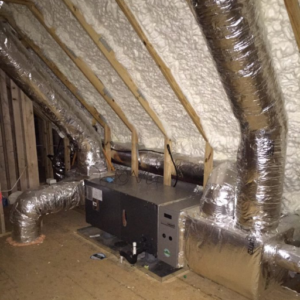
A: Spray foam insulation helps prevent conditioned air from escaping through cracks or gaps in the building envelope, thereby reducing infiltration/exfiltration rates between conditioned and unconditioned spaces. Under certain weather conditions, this might result in condensation within those unheated areas. This sealing effect lowers the risk of moisture accumulation and improves the efficiency of dehumidification efforts.
Q: How do I install an attic dehumidifier with a continuous drain option?
A: To set up a dehumidifier in the attic with continuous drainage capability, connect it to a suitable outlet, either a condensate line or an external drain, using a hosepipe to ensure that water flows freely from the unit at all times, hence eliminating the need for frequent tank emptying.
Q: What are benefits of having ducted de-humidifiers in attics?
A: The main advantage associated with using these units lies in their ability to evenly distribute dry air throughout the entire space while being linked up into the existing HVAC system. This, therefore, ensures effective moisture control throughout the entire attic, enhancing overall indoor air quality within both upper floor areas and the rest of the house.
Q: Can a dehumidifier eliminate musty odors from my attic?
A: Yes, by removing excess moisture from its atmosphere, it inhibits mold/mildew growth and creates a fresher environment. Maintaining proper RH levels in such environments using dehumidifiers indeed helps achieve this goal.
Q: How often should I adjust settings on my attic’ side-humidifying machine?
A: You should periodically check your machine’s settings especially during periods characterized by high humidity, and if necessary then reset them accordingly for proper operation that will ensure swift elimination of excess moisture present there


